When The Sky Turns Green — Everything You Need to Know About Storm Shelters and Safe Rooms in Oklahoma
Because in this state, being prepared is not optional. It is a way of life.
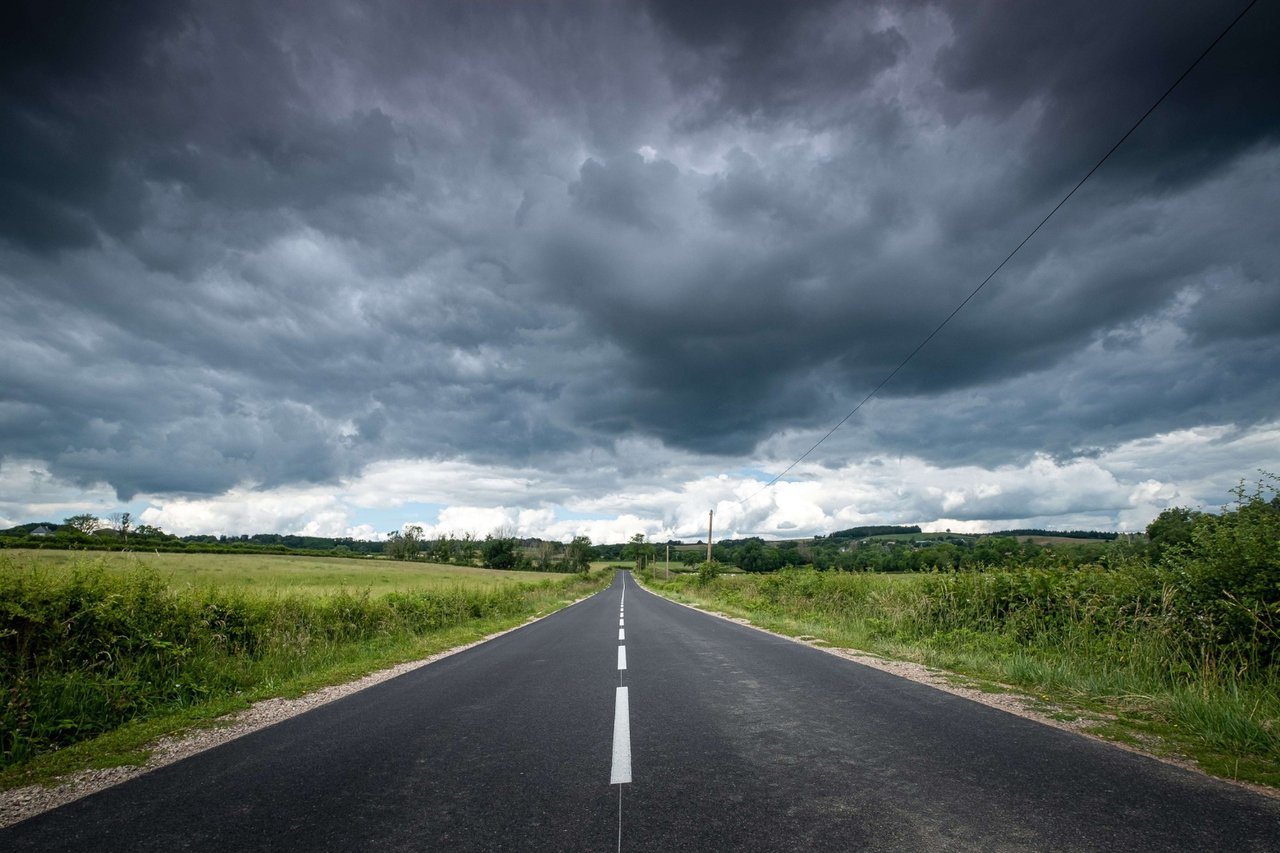
There is a moment that every Oklahoman knows. You are going about your day — maybe grilling in the backyard, maybe watching the kids play, maybe just sitting on the porch enjoying one of those perfect spring evenings that makes you remember exactly why you chose to live here — and you look up. The sky has changed. The color is wrong. That particular shade of greenish yellow that does not exist anywhere else in nature and that every person who has ever lived in Oklahoma recognizes immediately and viscerally as a signal that demands immediate attention.
In that moment — in the seconds between recognizing what that sky means and deciding what to do about it — there is exactly one question that matters.
Where is your shelter?
If you have to think about it for more than two seconds you have already identified a problem that needs to be solved before next spring. Because in Oklahoma next spring is not a hypothetical. It is a certainty. And the storms that come with it are among the most powerful and most dangerous atmospheric events on the face of the earth.
This is not meant to frighten you. Oklahomans are not frightened people — they are prepared people. There is a significant and important difference. And preparation starts with understanding exactly what your options are, what the differences between them mean for your family's safety, and what the decision to invest in a storm shelter or safe room actually looks like in practice.
Let's talk about all of it.
WHY OKLAHOMA IS TORNADO COUNTRY — AND ALWAYS WILL BE
To understand why storm shelters matter so deeply in Oklahoma you have to understand the geography and meteorology that makes this state one of the most tornado-prone places on the entire planet.
Oklahoma sits at the heart of what meteorologists and storm chasers call Tornado Alley — the corridor of the central United States where the atmospheric conditions that produce tornadoes come together with a frequency and intensity that has no parallel anywhere else on earth. The collision zone between cold dry air descending from the Rocky Mountains, warm moist air streaming north from the Gulf of Mexico, and the flat unobstructed terrain of the Great Plains creates the perfect laboratory for supercell thunderstorms — the rotating, organizing storm systems that produce the most powerful and most destructive tornadoes in the world.
Oklahoma has recorded more F5 and EF5 tornadoes — the highest possible rating on the tornado intensity scale, representing winds of 200 miles per hour and above — than virtually any other state in the nation. The May 3, 1999 tornado outbreak produced the highest wind speed ever recorded on the surface of the earth — 318 miles per hour measured near Bridge Creek, Oklahoma — a number that remains in the record books and that puts into immediate and sobering perspective exactly what these storms are capable of producing.
The May 20, 2013 Moore tornado — an EF5 that was at times nearly a mile wide — killed 24 people, injured hundreds more, and caused over two billion dollars in damage in a matter of minutes. The May 31, 2013 El Reno tornado grew to an unprecedented 2.6 miles wide — the widest tornado ever recorded in United States history — and killed eight people including three professional storm chasers with decades of combined experience who understood exactly what they were dealing with and could not escape it.
These are not ancient history. These are events that happened within the lifetimes of most Oklahomans currently living in this state. They are reminders — delivered with the full, unambiguous authority of nature — that tornado preparedness in Oklahoma is not a suggestion. It is a responsibility.
Spring arrives in Oklahoma with beauty and with danger in equal measure. The wildflowers bloom. The temperatures moderate. The days lengthen into golden evenings that feel like a gift after a long winter. And the atmosphere begins organizing itself for the severe weather season that runs roughly from March through June — with a secondary season in the fall — during which Oklahoma averages more than 50 tornadoes per year and during which the most extreme events in American meteorological history have repeatedly occurred.
Being prepared is not pessimism. It is wisdom. It is the particular and earned wisdom of people who have lived in this state long enough to understand what the sky can do and who have decided — clearly and permanently — that when it does they are going to be underground.
STORM SHELTERS VS SAFE ROOMS — UNDERSTANDING THE DIFFERENCE
One of the most common points of confusion for Oklahoma homeowners — particularly those new to the state or those considering their first shelter installation — is the distinction between a storm shelter and a safe room. These terms are frequently used interchangeably but they describe meaningfully different products with different construction standards, different installation requirements, and different performance characteristics that matter enormously when you are deciding what to put between your family and an EF5.
Storm Shelters
A storm shelter is a dedicated protective structure — separate from or embedded within the main structure of a home — specifically engineered to withstand the wind speeds, debris impact, and atmospheric pressure changes associated with the most extreme tornado events. Storm shelters are tested and rated against specific performance standards and the best ones are designed to protect occupants through a direct hit from the highest rated tornadoes.
Storm shelters come in several primary configurations:
Underground In-Ground Shelters — The most traditional and most widely used shelter type in Oklahoma. These are installed below grade — either beneath a garage floor, in a backyard, or beneath a home's floor — and accessed through a reinforced hatch or door. Underground shelters benefit from the natural protection of the earth itself — the surrounding soil absorbs and dissipates the energy of debris impact and wind pressure in ways that above-ground structures cannot replicate. A properly installed underground shelter is essentially immune to wind damage because there is nothing above ground for the wind to act upon.
The primary considerations for underground shelters include drainage — a below-ground shelter must be properly waterproofed and equipped with drainage systems to prevent flooding during the heavy rainfall that accompanies severe storms — and accessibility, particularly for elderly family members or individuals with mobility limitations for whom descending into an underground shelter quickly may present challenges.
Garage Floor Shelters — A specific and increasingly popular variant of the underground shelter that is installed directly beneath the concrete floor of an attached garage. Garage floor shelters offer the significant practical advantage of interior home access — you never have to go outside and face the weather to reach your shelter — while providing the below-grade protection that makes underground shelters so effective. They are typically accessed through a reinforced steel hatch flush with or slightly raised above the garage floor surface and can accommodate anywhere from four to ten or more occupants depending on the specific unit.
Precast Concrete Shelters — Precast concrete underground shelters are manufactured off-site from high strength reinforced concrete and installed as complete units. They offer excellent protection, good interior space utilization, and a proven track record across decades of Oklahoma severe weather events. The precast concrete construction provides inherent resistance to both wind impact and water intrusion when properly installed and sealed.
Fiberglass Underground Shelters — Fiberglass shelters offer an alternative to concrete with certain practical advantages including lighter weight for installation, natural resistance to corrosion and water intrusion, and interior surfaces that do not promote mold growth. Quality fiberglass shelters are engineered and tested to the same performance standards as concrete units and have performed well in Oklahoma severe weather events. The key is ensuring any fiberglass shelter is properly anchored against the buoyancy forces that saturated soil can exert on a below-grade structure — a properly installed and anchored fiberglass shelter will not float, but improper installation can create this risk.
Safe Rooms
A safe room is an above-ground reinforced room built within or attached to the main structure of a home — constructed to FEMA P-361 standards, which specify the design and construction requirements for community and residential safe rooms intended to provide near-absolute protection from tornado and hurricane winds. Safe rooms are typically constructed of reinforced concrete, steel, or a combination of both and are designed to withstand the wind speeds and debris impact associated with the most extreme tornado events.
The Federal Emergency Management Agency has published detailed safe room design standards — FEMA P-361 for community safe rooms and FEMA P-320 for residential safe rooms — that specify wall thickness, reinforcement requirements, door specifications, and testing protocols that a compliant safe room must meet. Safe rooms built to these standards have an extraordinary track record of protecting occupants even when the surrounding structure is completely destroyed.
The primary advantages of safe rooms over underground shelters include accessibility — no stairs to descend, no hatch to open, simply a reinforced room that is part of the home's existing footprint — and the ability to accommodate occupants with mobility limitations, elderly family members, and young children more easily than a below-grade underground shelter. Safe rooms can be built as dedicated rooms within new construction or retrofitted into existing homes as standalone reinforced structures.
The primary consideration with safe rooms is that they are above grade — which means they are exposed to the wind and debris field of a tornado in ways that underground shelters are not. A properly engineered and constructed safe room built to FEMA P-361 standards is designed to withstand this exposure and has been repeatedly proven to do so in real world tornado events. But the physics of an above-grade structure in a tornado environment are inherently different from those of a below-grade structure and this distinction is worth understanding when making your shelter decision.
WHAT TO LOOK FOR WHEN CHOOSING A SHELTER
The Oklahoma market for storm shelters and safe rooms is robust and competitive — which is good for consumers but which also means that not every product and not every installer operates at the same standard. Here is what to look for and what to insist on when making this decision for your family.
FEMA Compliance and Testing Documentation Any shelter you consider should be tested and rated to FEMA standards — specifically FEMA P-320 for residential applications. Ask for documentation of testing and compliance before you commit to any purchase. A reputable shelter manufacturer or installer will provide this documentation readily and without hesitation. Anyone who cannot or will not provide it should be eliminated from consideration immediately.
Texas Tech Wind Science and Engineering Research Center Certification The Texas Tech Wind Science and Engineering Research Center — one of the most respected wind engineering research institutions in the world — conducts debris impact testing on storm shelters and safe rooms using standardized projectile protocols that simulate the debris environment of a violent tornado. A shelter that has been tested and certified by Texas Tech has been subjected to rigorous independent evaluation that provides meaningful assurance of its protective performance. Look for this certification.
ICC 500 Standard Compliance The International Code Council Standard 500 — ICC 500 — is the building code standard for storm shelters that has been adopted across Oklahoma and much of the tornado-prone United States. ICC 500 compliance means the shelter design has been evaluated against a comprehensive set of engineering requirements covering structural performance, ventilation, occupant load, and other critical safety factors. Insist on ICC 500 compliance documentation from any shelter you consider.
Installation Quality and Experience A shelter is only as good as its installation — and in Oklahoma the difference between a properly installed shelter and an improperly installed one can be the difference between surviving a direct hit and not. Ask how long the installer has been in business, how many shelters they have installed, what their warranty covers, and whether they can provide local references from previous installations. Established, reputable Oklahoma shelter installers have track records that are verifiable and that serious buyers should verify before committing.
Drainage and Waterproofing For underground shelters specifically drainage and waterproofing are non-negotiable requirements rather than optional upgrades. Oklahoma severe storms produce heavy rainfall — sometimes extreme rainfall — and a shelter that floods during the storms it is designed to protect you from is a shelter that has failed at its fundamental purpose. Insist on understanding the drainage and waterproofing systems of any underground shelter you consider and ask specifically how those systems have performed in previous installations during actual storm events.
Ventilation Proper ventilation in a storm shelter is essential for occupant safety and comfort during potentially extended shelter periods. Shelters should have ventilation systems that provide adequate air exchange while preventing the entry of debris, water, or atmospheric pressure changes that could harm occupants. Understand the ventilation design of any shelter you consider and ensure it meets the occupant load you are planning for.
Size and Occupant Capacity Choose a shelter sized for your actual household plus reasonable additional capacity for neighbors, guests, and pets — because in a real tornado event the shelter you have is the shelter everyone nearby will be looking for. Oklahoma communities have a deeply ingrained tradition of neighbors sheltering together and a shelter that is adequate for your immediate family may feel very different when three additional neighbors arrive at your door with thirty seconds of warning. Size up rather than down.
Door Design and Hardware The shelter door is the most vulnerable point of any shelter structure and the quality of the door design, hardware, and sealing mechanism matters enormously. The door must open inward or be designed to open under conditions where debris may have accumulated on top of it — an outward-opening door that becomes blocked by storm debris traps occupants inside, which defeats the purpose of having the shelter. Understand exactly how the door operates, what the hardware specifications are, and how it performs under the conditions it may face.
OKLAHOMA SHELTER ASSISTANCE PROGRAMS — FINANCIAL HELP IS AVAILABLE
One of the most important and least widely known facts about storm shelter installation in Oklahoma is that significant financial assistance is available to help homeowners cover the cost.
Oklahoma Department of Emergency Management The Oklahoma Department of Emergency Management administers shelter assistance programs — including the Hazard Mitigation Grant Program — that provide funding to eligible Oklahoma homeowners for the installation of storm shelters and safe rooms. These programs are federally funded through FEMA and administered at the state level and can cover a meaningful percentage of shelter installation costs for qualifying applicants. Program availability and funding levels vary by year and by declared disaster area but the programs are real, the funding is substantial, and every Oklahoma homeowner considering a shelter installation should investigate their eligibility before paying full price out of pocket.
Municipal Programs Several Oklahoma municipalities — including Oklahoma City and various surrounding communities — have administered their own shelter assistance programs at various times, sometimes in conjunction with state and federal programs and sometimes independently. Check with your specific municipality about current program availability.
Tax Considerations Storm shelter installations may have tax implications that are worth discussing with your accountant or financial advisor — both at the state and federal level. Oklahoma has historically been supportive of shelter installation from a tax policy perspective and understanding the current landscape of available deductions or credits is worth the conversation.
STORM SHELTERS AND YOUR HOME'S VALUE
Here is a conversation that comes up frequently in Oklahoma real estate — and one that deserves a direct and honest answer.
Does a storm shelter add value to your home?
Yes. Meaningfully and consistently.
In the Oklahoma real estate market a storm shelter — particularly a well-installed, appropriately sized, properly documented underground or garage floor shelter — is a genuine and recognized value-add feature that serious buyers specifically look for and that the absence of can be a genuine obstacle in certain price ranges and certain neighborhoods. In communities where shelter penetration is high the absence of a shelter can make a home meaningfully harder to sell at full market value. In communities where shelter penetration is lower a well-installed shelter can differentiate a home from its competition in ways that translate directly into faster sales and stronger offers.
At the luxury level — where The Agency operates and where the homes we represent command prices that reflect genuine quality and genuine amenity — a storm shelter is not a differentiator. It is an expectation. Buyers at the $700,000, $1,000,000, and $2,000,000 price points expect a shelter to be present and properly installed the same way they expect a quality roof and functioning HVAC systems. Its presence is assumed. Its absence is noted — and priced accordingly.
For homeowners considering a shelter installation as both a safety investment and a real estate investment the math is generally favorable. A quality underground shelter installation in the Oklahoma market typically costs between $4,000 and $12,000 depending on size, type, and specific installation requirements. The value it adds in buyer confidence, marketability, and in many cases direct appraisal value is generally at or above that cost — making it one of the few home improvement investments in Oklahoma that genuinely pays for itself in addition to potentially saving the lives of the people who use it.
CREATING A FAMILY TORNADO PLAN — BECAUSE THE SHELTER IS ONLY PART OF IT
Having a storm shelter is the most important single element of tornado preparedness — but it is not the only element. A complete family tornado preparedness plan includes several additional components that every Oklahoma household should have in place before severe weather season is fully underway.
Know Your Warning Signs The obvious warning sign is a tornado warning issued by the National Weather Service — which you should receive through weather apps, the Emergency Alert System on your phone, and the outdoor warning siren system that most Oklahoma communities maintain. But understanding the visual and atmospheric signs of tornado development — the greenish sky, the sudden calm after intense rain and wind, the distinctive roar that survivors consistently describe as sounding like a freight train — adds additional awareness that can be critical in situations where warning systems have limited lead time.
Have Multiple Ways to Receive Warnings Relying on a single warning source is a preparedness gap. Have a NOAA weather radio with battery backup as your primary dedicated weather alert device. Have weather apps on your phone with notifications enabled — the National Weather Service app and apps like RadarScope provide exceptional real-time severe weather data. Know where your community's outdoor warning sirens are and understand their signal patterns. Multiple redundant warning sources ensure that a power outage, a dead phone battery, or a system failure in one channel does not leave you without warning.
Practice the Plan Every member of your household — including children — should know exactly where the shelter is, exactly how to open it, and exactly what to do when a warning is issued. Practice it. Walk through it together. Time it. Make sure that in the darkness and the chaos and the noise of a real tornado warning every person in your household can get to that shelter quickly and without hesitation. A shelter that your family has never practiced using is a shelter that may not perform as well as it should when it matters most.
Keep the Shelter Ready A storm shelter that is being used for storage is a shelter that cannot be accessed quickly when needed. Keep your shelter clear of obstructions, keep the door mechanism lubricated and functioning, keep a flashlight and fresh batteries inside, keep a small supply of water and any essential medications inside, and check the shelter regularly for water intrusion or other issues that need to be addressed before they become problems during an actual event.
Have a Communication Plan Establish a family communication plan that designates an out-of-state contact point — because local phone networks often become congested during major tornado events — and that specifies how family members who are separated will communicate and reconnect after a severe weather event. This is particularly important for families with members who commute, travel, or who may be away from home when a severe weather event occurs.
Know Your Community Resources Know where your nearest public storm shelter is — for situations where you are away from home when severe weather strikes. Know your community's emergency management resources. Know your neighbors and whether any of them have shelters they are willing to share. The Oklahoma tradition of community resilience in the face of severe weather is one of this state's most admirable characteristics — and it works best when neighbors know each other and have these conversations before rather than during an emergency.
THE BOTTOM LINE — GET THE SHELTER
If you live in Oklahoma and you do not have a storm shelter or a FEMA-compliant safe room the most important home improvement decision you can make this spring is not the kitchen renovation or the backyard project or the new flooring. It is the shelter.
Not because tornadoes are coming tomorrow. Not because this spring is predicted to be worse than any other. But because this is Oklahoma — and in Oklahoma the question is never whether severe weather will come. It is only when. And the families who face that question from behind a properly installed, properly maintained storm shelter face it with the particular and powerful calm of people who have already made the most important decision. They have decided that when the sky turns green they know exactly where they are going — and they are ready.
That calm is worth every dollar of the investment. Every single one.
If you are buying or selling a home in Oklahoma and have questions about storm shelter requirements, shelter installation value, or anything related to the Oklahoma real estate market — we are always here to help.
Wyatt Poindexter Managing Partner & Owner The Agency Oklahoma City & Tulsa 📞 405-417-5466 🌐 www.WyattPoindexter.com
Oklahoma's Only Elite Guild Member — The Institute of Luxury Home Marketing Now Also Serving Norman, Eufaula, Grand Lake, etc.