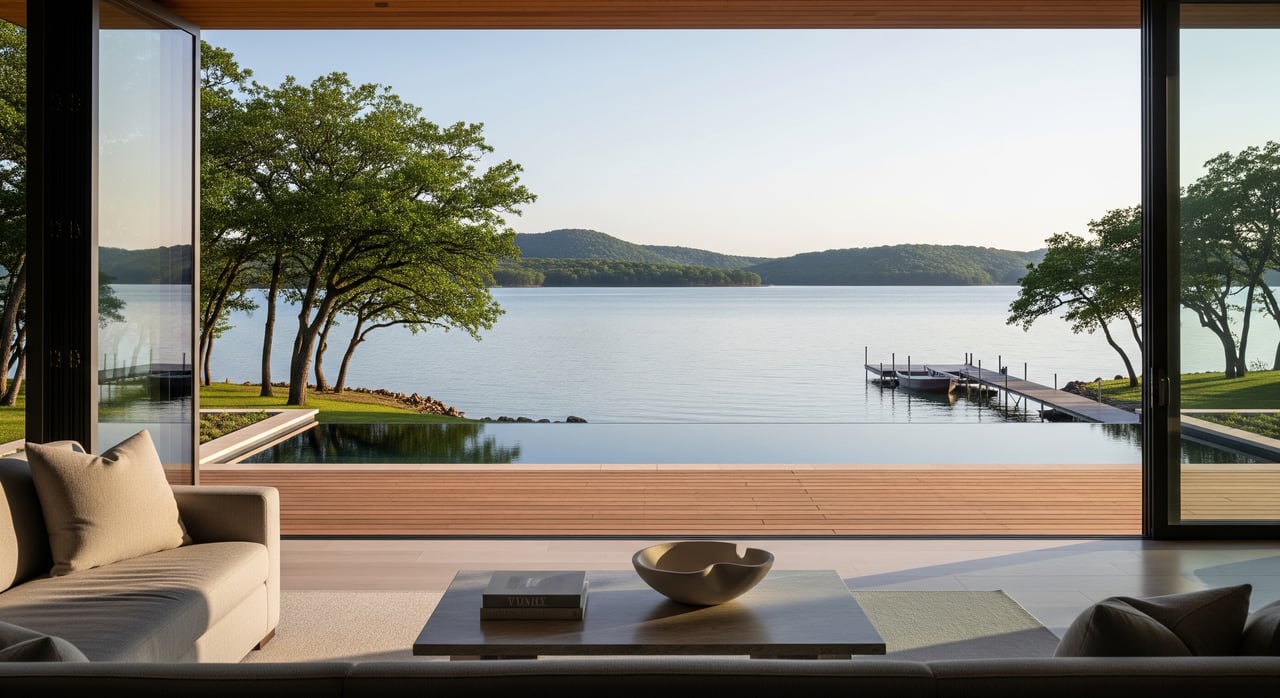
If you are dreaming of a modern lake retreat with big-water views, Grand Lake O’ the Cherokees offers an unmatched blend of lifestyle and value. Whether you want a turnkey condo near a marina or a custom home with a private dock, the area has options for different goals and budgets. This guide gives you a clear, practical path through neighborhoods, property types, permits, rental potential, and due diligence so you can buy with confidence. Let’s dive in.
Why Grand Lake stands out
Grand Lake is a major recreational hub in northeast Oklahoma with wide coves, strong fishing, and a full network of marinas and resorts. The shoreline spans several counties and towns, which means tax rates, permitting, and local rules can vary by address. Lakefront and lake‑view homes typically carry a premium because inventory is limited and demand is high in peak season.
Market activity is more seasonal than in cities. Spring and summer often bring more listings and showings, while fall and winter can be quieter. Pricing and time on market vary by area, water access, marina proximity, and the condition of docks and shorelines.
Top luxury pockets to know
Monkey Island
Monkey Island is a prestige peninsula with gated communities, golf access, private marinas, and a steady inventory of luxury homes and condominiums. You will often see higher average prices here compared to many other pockets on the lake. Expect homeowners associations with design standards and rules for rentals, docks, and parking.
Shangri‑La vicinity
The areas around the resort offer resort‑style living with dining, entertainment, and marina access close by. If you like amenities within a short golf cart ride, this pocket is appealing. In peak months, expect more activity, events, and traffic due to its commercial core.
Grove, Bernice, and north/west shores
Grove serves as a services hub, with groceries, restaurants, and medical facilities that make year‑round use easier. Bernice and nearby towns provide quieter residential options and public access points. Housing stock ranges from classic cabins to renovated luxury homes, but road and utilities quality can vary by cove.
Emerging enclaves
New developments and infill subdivisions are bringing modern floor plans, planned amenities, and options for guaranteed slip access. Always verify a developer’s track record, the recorded covenants, and HOA budgets. If a community name is unfamiliar, confirm it in county land records and planning documents.
Property types and what to know
True lakefront with dock
This is the top tier for views, access, and long‑term desirability. Confirm that any existing dock has a valid permit and that replacement or expansion is allowed. Check riparian access rights, shoreline setback limits, and the condition of the seawall or rip‑rap.
Near‑lake homes
These properties sit a short walk or drive from the water and are often more affordable than direct waterfront. They may not include a dock or deeded water access. If a slip is important, confirm whether you can lease one at a nearby marina.
Condominiums and townhomes
Condo living can deliver lock‑and‑leave ease with shared maintenance and possible slip access. Review the association rules for rentals, guest policies, and dock use. Ask for budgets, reserves, and any pending or recent assessments.
Vacant lots and parcels
A new build lets you tailor a home to your lifestyle. Before you purchase, assess access, topography, utilities, soil and septic feasibility, and shoreline rules. A current survey and conversations with local permitting agencies are essential.
Permits, access, and association rules
Dock permits and shoreline
Lake operations and shoreline modifications are governed by specific rules. Verify the status of any dock permit and ask whether you can change size, shape, or location. If you plan to add rip‑rap, stairs, or a boathouse, confirm approvals and timelines.
Deeded or leased slips
Some slips transfer with the deed, while others are leased from a marina. Ask for documentation that shows ownership or lease terms, fees, and transfer procedures. A deeded slip can support long‑term value, but a well‑located leased slip can be a practical alternative.
HOA and covenants
High‑end enclaves often have covenants that control exterior materials, rental policies, boat and trailer storage, and dock design. Obtain the full declarations, bylaws, budgets, and meeting minutes. Note any rules that could affect your plans for short‑term rentals or future renovations.
Surveys, easements, and access roads
Waterfront boundaries can shift or appear unclear over time. Order a current boundary or ALTA survey showing improvements and the high‑water line. Confirm access rights, shared drive maintenance, and any recorded easements that affect your use.
Utilities and maintenance reality
Water and sewer
Many lake homes rely on wells and septic systems. The age and capacity of septic can limit bedroom counts and rental occupancy. Request inspection reports and pumping history so you understand current condition and future costs.
Electricity and fuel
Rural sections may use overhead power and propane. If you plan to add HVAC upgrades, a hot tub, an EV charger, or a backup generator, confirm capacity with your inspector and utility provider.
Broadband and cell coverage
Connectivity is not uniform across the shoreline. If you expect reliable high‑speed internet for remote work or streaming, verify the providers that serve the exact parcel. Consider a contingency for service confirmation.
Dock, seawall, and shoreline
Docks and shoreline structures require periodic maintenance and can be meaningful ownership costs. Ask for age, construction details, and recent repairs. A marine contractor can estimate remaining life and replacement budgets.
Seasonal use and rental potential
Peak and off‑season patterns
Summer drives the highest recreational use, boat traffic, and rental demand. Cooler months are quieter, and some businesses reduce hours. If you plan to visit seasonally, budget for winterization of plumbing, HVAC, and any water features.
Short‑term rentals
Rental demand depends on marina proximity, swimming access, views, and slip availability. Rules vary by county, municipality, and HOA, and some communities prohibit or limit short‑term rentals. Confirm required permits, licenses, and lodging taxes before modeling income.
Management and financial realism
Professional lake property managers can handle guest turnover, cleaning, and dock coordination. Fees are typically a share of rental revenue. Build conservative projections that reflect seasonality, vacancy, utilities, dock and seawall upkeep, insurance, and any HOA or slip fees.
Resale drivers and risk factors
Homes with true waterfront, reliable private docks, and unobstructed views tend to hold value best. Proximity to marinas, quality year‑round road access, and strong utilities are important. Condition matters. Roofs, foundations, septic systems, docks, and seawalls should be well maintained.
Common risks include aging shoreline structures, restrictive HOA rules that reduce the buyer pool, and limited broadband. Environmental issues like periodic algae events or drawdowns can affect recreation and views. Review recent lake level history and any published advisories when you evaluate a specific parcel.
Due diligence checklist
Use this list to stay organized. Your agent and local professionals can help you complete each step.
- Confirm the county and jurisdiction. Review tax rates, zoning, and permitting rules.
- Request the recorded plat, deed, easements, and a recent title report.
- Order a current boundary or ALTA survey that shows the high‑water line and all improvements.
- Verify dock and shoreline permits with the appropriate authorities. Confirm whether slips are deeded or leased.
- Hire a waterfront‑savvy home inspector. Include foundation, roof, HVAC, septic, dock, seawall, and shoreline condition.
- Confirm utilities: well and septic details, electrical capacity, propane, and broadband options at the address.
- Review HOA or condo declarations, bylaws, budgets, reserves, and recent meeting minutes. Note any pending assessments.
- Check FEMA flood maps and obtain insurance quotes, including flood and wind coverage as applicable.
- If buying an income property, ask for 12 to 24 months of revenue, expenses, and occupancy data.
- Verify short‑term rental rules, required permits, and lodging taxes for the specific address and association.
Smart buying timeline
- Define your goals. Lifestyle, rental potential, or both will guide your search.
- Shortlist pockets that fit your vision. Compare Monkey Island, Shangri‑La vicinity, Grove, and quieter coves.
- Pre‑underwrite your plan. Discuss insurance, utilities, slip access, and internet needs before you write an offer.
- Offer with clarity. Include contingencies for survey, dock permits, inspections, and rental rule verification.
- Inspect thoroughly. Bring specialists for docks, seawalls, septic, and shoreline stabilization if needed.
- Finalize ownership logistics. Confirm slip ownership or leases, HOA compliance, and any business licensing for rentals.
- Prepare for seasonality. Plan winterization, service vendors, and property management before closing.
Work with a trusted advisor
Buying a second home at Grand Lake is part lifestyle and part technical due diligence. You deserve expert guidance on pocket selection, dock and shoreline rules, HOA covenants, and resale drivers. If you want boutique, one‑on‑one representation with deep Oklahoma market expertise and global reach, connect with Wyatt Poindexter. Request a private, white‑glove consultation.
FAQs
How close is Grand Lake to a major airport?
- The nearest major airport for many buyers is in Tulsa. Actual drive times vary across the lake, so verify from the exact neighborhood you are considering.
Are docks always included with Grand Lake waterfront homes?
- Not always. Docks can be deeded, leased, or managed by marinas. Confirm ownership and permits in title documents and with the relevant permitting authority.
Can I operate a short‑term rental at Grand Lake?
- Possibly, but it depends on county or municipal rules and your HOA or condo documents. Confirm requirements for permits, licenses, and lodging taxes before you purchase.
What ongoing costs are unique to lake homes?
- Plan for dock and seawall maintenance, higher insurance needs, septic servicing, possible marina slip fees, and HOA or amenity fees.
What environmental issues can affect waterfront enjoyment?
- Periodic algae events, shoreline erosion, or drawdowns can impact recreation and views. Review recent advisories and historical lake level information during due diligence.