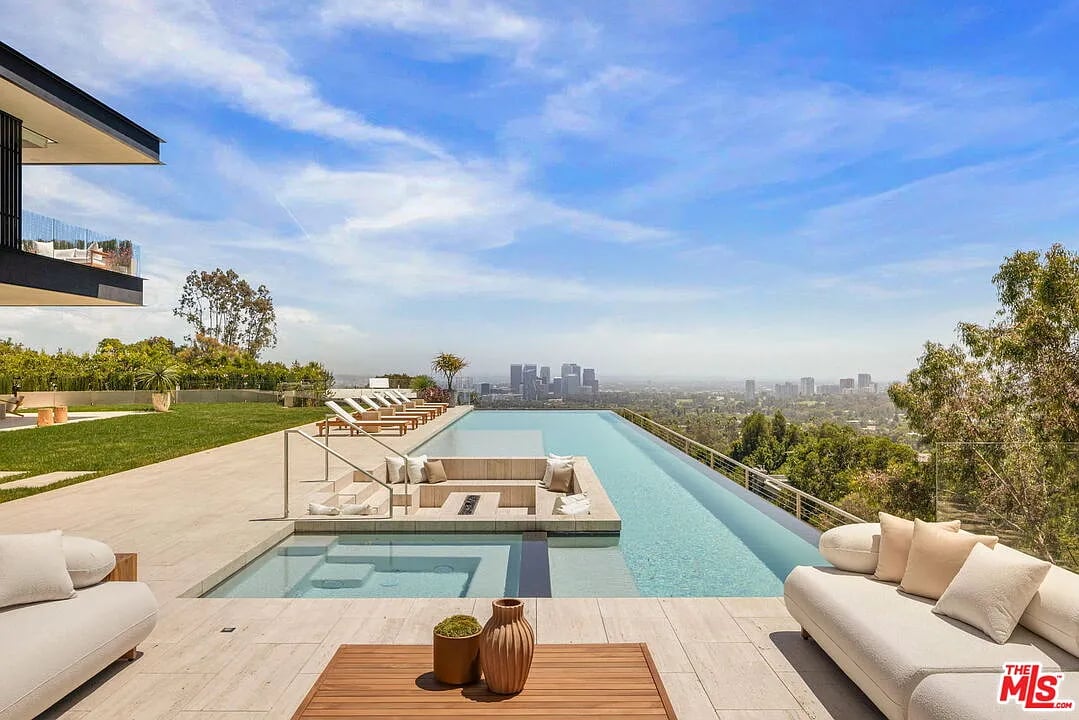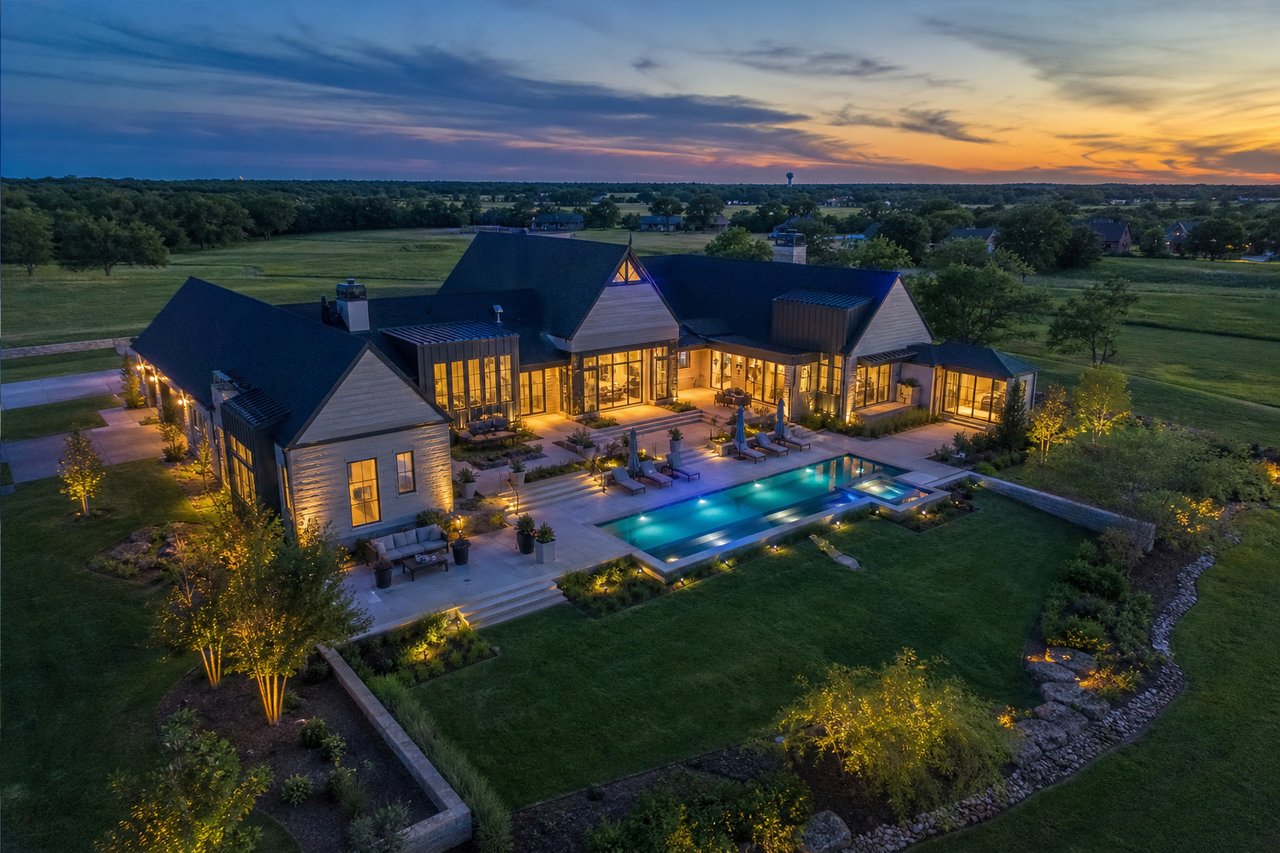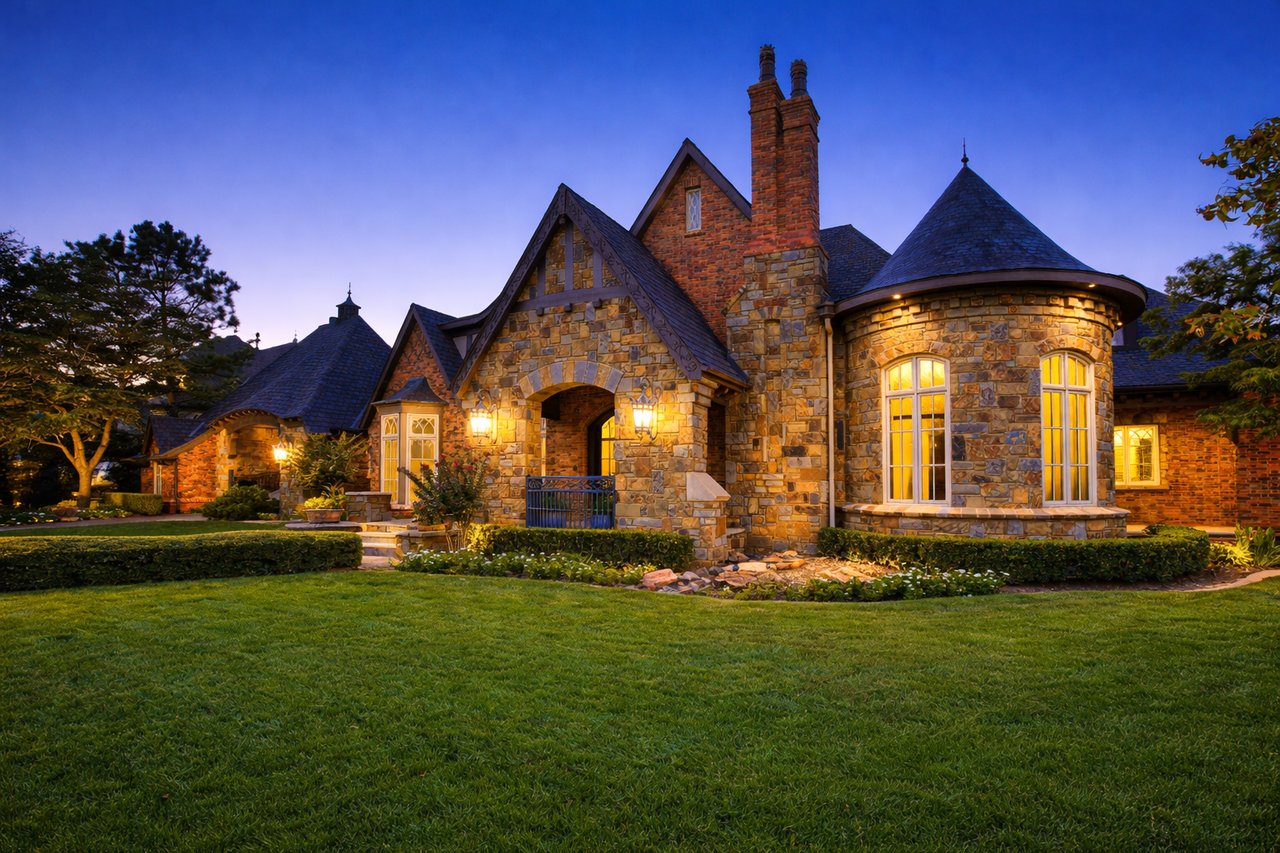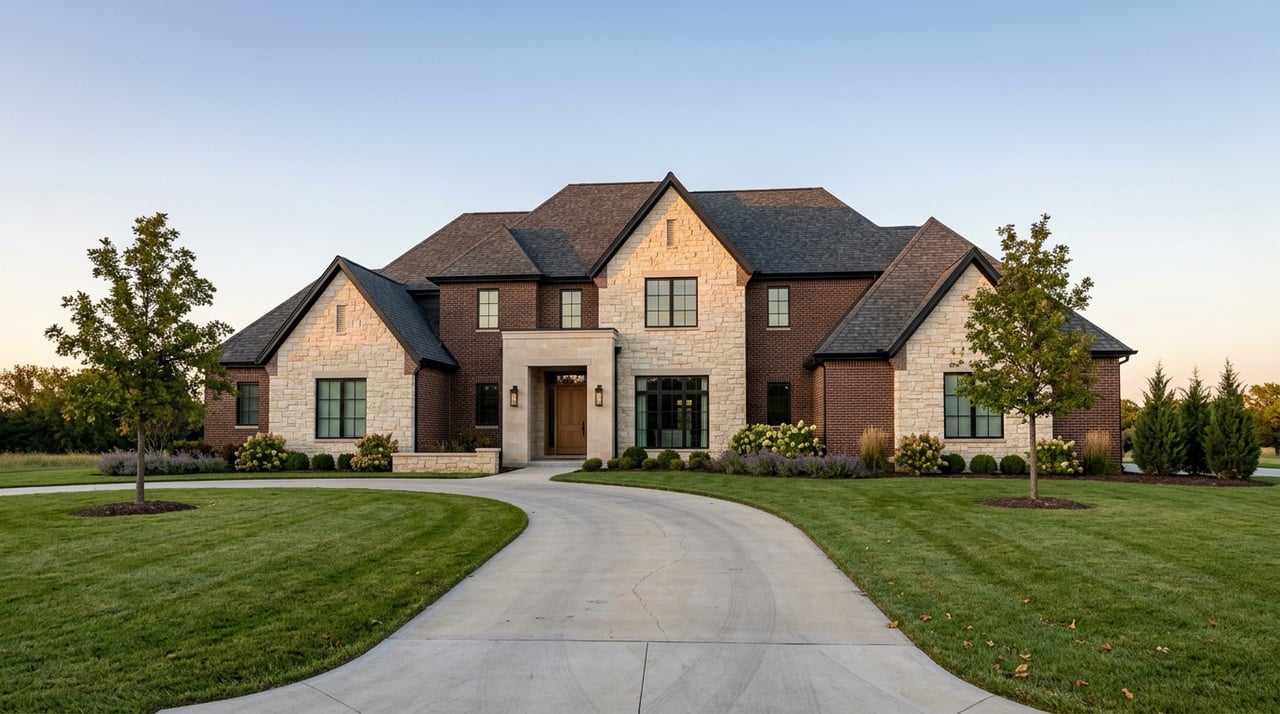
Dreaming of room to breathe without losing touch with the city? In Piedmont, luxury acreage living offers a rare mix of open land, broad views, and a location that still keeps Oklahoma City within reach. If you are looking for a property that supports privacy, outdoor space, and a more expansive way of living, this guide will help you understand what makes Piedmont stand out. Let’s dive in.
Why Piedmont Appeals to Luxury Acreage Buyers
Piedmont sits on the northwest edge of the Oklahoma City metro, and its scale is part of the story. The city covers more than 43 square miles, which gives it a land-rich feel that is hard to find in many suburban areas. That larger footprint supports a wider range of property types, from traditional residential lots to true estate-style acreage.
For many buyers, the appeal is simple. You can enjoy more space, more separation, and more flexibility while staying connected to metro conveniences. City and regional sources place Piedmont about 25 minutes from downtown Oklahoma City, with access tied to the Kilpatrick Turnpike and Northwest Highway corridors.
Piedmont has also seen notable growth. Census estimates cited by regional economic development sources place the population at 9,427 in July 2025, up 27.4% from 2020. That growth reflects rising interest in a location that blends suburban access with a more open, land-oriented lifestyle.
What Luxury Acreage Living Looks Like
Acreage living in Piedmont is not one-size-fits-all. According to the city’s new-residents guide, lot sizes range from 7,500-square-foot urban lots to half-acre and five-acre rural-residential estates, with 10-acre-plus farms and ranches also part of the local mix. That variety gives buyers more options depending on how much land and utility they want.
In the luxury segment, acreage often means more than a larger homesite. It can mean long drives, wider setbacks, outdoor entertaining space, detached shops, barns, or flexible secondary structures. Current market inventory also points to features like fenced acreage, livestock areas, horse setups, stalls, and multigenerational flex spaces.
This is one reason Piedmont attracts buyers who want a property to do more. Instead of paying only for square footage inside the home, you may also be investing in usable land, service buildings, and the freedom to shape daily life around space and function.
Space That Changes Daily Living
One of the biggest differences with acreage living is how it changes your routine. A larger property often creates more privacy, more quiet, and more options for outdoor use. That can mean room for a workshop, extra vehicle storage, equipment, recreation, or simply a buffer between you and the next roofline.
Piedmont’s varied topography adds to that experience. The city describes terrain that ranges from wide river valleys to steep hills and canyons, along with sand dunes, rock, and gypsum. In practical terms, that variation can create a stronger sense of openness and more visually expansive homesites than a standard subdivision lot typically offers.
The “western skies” part of Piedmont’s appeal is not just poetic language. On larger parcels, the combination of open land and broader horizon lines often makes sunrise and sunset views feel more prominent. If you value scenery as part of everyday living, that is a meaningful part of the experience.
Land Use Matters in Piedmont
If you are considering luxury acreage, land use rules matter almost as much as the house itself. Piedmont includes agricultural, rural estate residential, urban estate residential, single-family residential, multi-family, commercial, and industrial districts. That means each property should be evaluated on its actual zoning and permitted uses, not just on appearance.
This is especially important if you want horses, livestock, a barn, or a larger outbuilding. The city code states that in Agricultural A districts, large-animal allowances scale with tract size, and the code defines large animals to include horses, cattle, sheep, and goats. For buyers with equestrian or hobby-farm goals, that can make Piedmont a practical fit when the tract size and zoning align.
The key takeaway is simple: acreage alone does not guarantee a certain use. Before you buy, it is important to verify zoning and confirm how the property can support your plans.
Planning for Barns, Shops, and Improvements
Luxury acreage buyers often think beyond the main residence. You may be considering a detached garage, workshop, barn, pool house, or another custom improvement. In Piedmont, that kind of planning should start with the city’s rules.
The city’s building guidance says new construction must conform to zoning, subdivision regulations, and the 2040 Comprehensive Plan. Buyers should also verify zoning before making assumptions about future additions. That matters because the value of an acreage property often depends on both what exists today and what you may want to build tomorrow.
This is where careful representation becomes especially valuable. A beautiful property can still be the wrong fit if it cannot support the way you want to use the land. A disciplined review of site potential, setbacks, access, and local requirements helps you buy with confidence.
Commute, Access, and Remote Work
Acreage living often raises one practical question first: how far will you be from everything? In Piedmont, the answer is manageable for many buyers. Regional and city sources place the drive to downtown Oklahoma City at about 25 minutes, while Census data shows a mean travel time to work of 30.4 minutes.
That balance is a major reason buyers look here. You can have a more private property and still remain connected to major employers, airports, shopping, and health centers. For professionals who need metro access but do not want a dense neighborhood setting, Piedmont offers an appealing middle ground.
Broadband access also supports modern living on larger homesites. Census data shows that 97.8% of households have broadband subscriptions, which is relevant if you work from home or need strong connectivity for daily business and communication.
Utilities and Infrastructure to Consider
When buying acreage, infrastructure deserves close attention. Piedmont says it maintains a large water and sewer system with hundreds of miles of lines inside and outside the city. That is a useful point of context because utility service can be a major factor in how a property functions today and what it may support in the future.
That said, buyers should still confirm the specifics for any individual property. On larger tracts, details such as water, sewer, access points, and service capacity can shape both convenience and long-term planning. These are not minor items in the luxury acreage market. They are part of what defines value.
A Market That Blends Lifestyle and Function
Piedmont’s appeal is not only visual. It is also practical. The city’s high owner-occupied housing rate of 91.4% and median household income of $104,441, as cited in regional economic-development data, point to a market where ownership is a central part of community life.
At the same time, the median owner-occupied home value of $330,100 reflects a broad market, not just the luxury niche. That is important because luxury acreage buyers in Piedmont are shopping in a location with multiple price points, multiple lot types, and multiple use cases. The right strategy is not just finding a beautiful home. It is finding the right combination of land, improvements, access, and future utility.
What Buyers Should Verify Before Buying
Luxury acreage purchases deserve a more detailed review than a standard suburban home search. Before you move forward, it helps to focus on the factors that most affect long-term satisfaction.
Key questions to ask
- How much land do you actually want to maintain and use?
- What is the property’s zoning district?
- If you want horses or livestock, what does the code allow for that tract size?
- Are fencing, barns, shops, or additional structures already in place or allowed?
- What utility services are available to the property?
- How will the commute fit your work and lifestyle needs?
- If school attendance matters to your move, have you verified current boundaries directly with the district?
For families making a move tied to schools, it is wise to confirm attendance zones before closing. Piedmont Public Schools states that intermediate-school boundaries were updated for the 2026 to 2027 school year and elementary boundaries for the 2027 to 2028 school year. Boundaries can change, so direct verification is the safest approach.
Why Representation Matters in This Niche
Luxury acreage properties are highly individual. Two homes with similar square footage can offer very different value depending on topography, fencing, improvements, zoning, privacy, access, and future flexibility. That is why this segment benefits from experienced, detail-oriented guidance.
For buyers, the goal is not just to acquire more land. It is to secure a property that fits your lifestyle, protects your investment, and supports how you want to live over time. For sellers, presenting acreage correctly means highlighting not only the home’s design and finish, but also the land, infrastructure, and use potential that make the property special.
If you are considering luxury acreage living in Piedmont, a strategic approach can make all the difference. From evaluating property fit to positioning an exceptional home for the right audience, that process calls for local knowledge, discretion, and strong execution. To start the conversation, request a private, white-glove consultation with Wyatt Poindexter.
FAQs
What is typical lot size for luxury acreage homes in Piedmont?
- The city says Piedmont includes everything from smaller urban lots to half-acre and five-acre rural-residential estates, plus 10-acre-and-up farms and ranches.
Can you keep horses on acreage in Piedmont?
- In some districts, yes. Piedmont’s code says large-animal allowances in Agricultural A districts scale with tract size, and large animals include horses, cattle, sheep, and goats.
Is Piedmont too far from Oklahoma City for commuters?
- For many buyers, no. City and regional sources place Piedmont about 25 minutes from downtown Oklahoma City, and Census data shows a mean travel time to work of 30.4 minutes.
Do you need to verify zoning before adding a shop or barn in Piedmont?
- Yes. The city’s building guidance says new construction must conform to zoning, subdivision regulations, and the 2040 Comprehensive Plan, so buyers should confirm what is allowed before making plans.
Are school boundaries fixed when buying a home in Piedmont?
- No. Piedmont Public Schools has posted boundary updates for future school years, so if attendance zones matter to your decision, you should verify them directly with the district before closing.