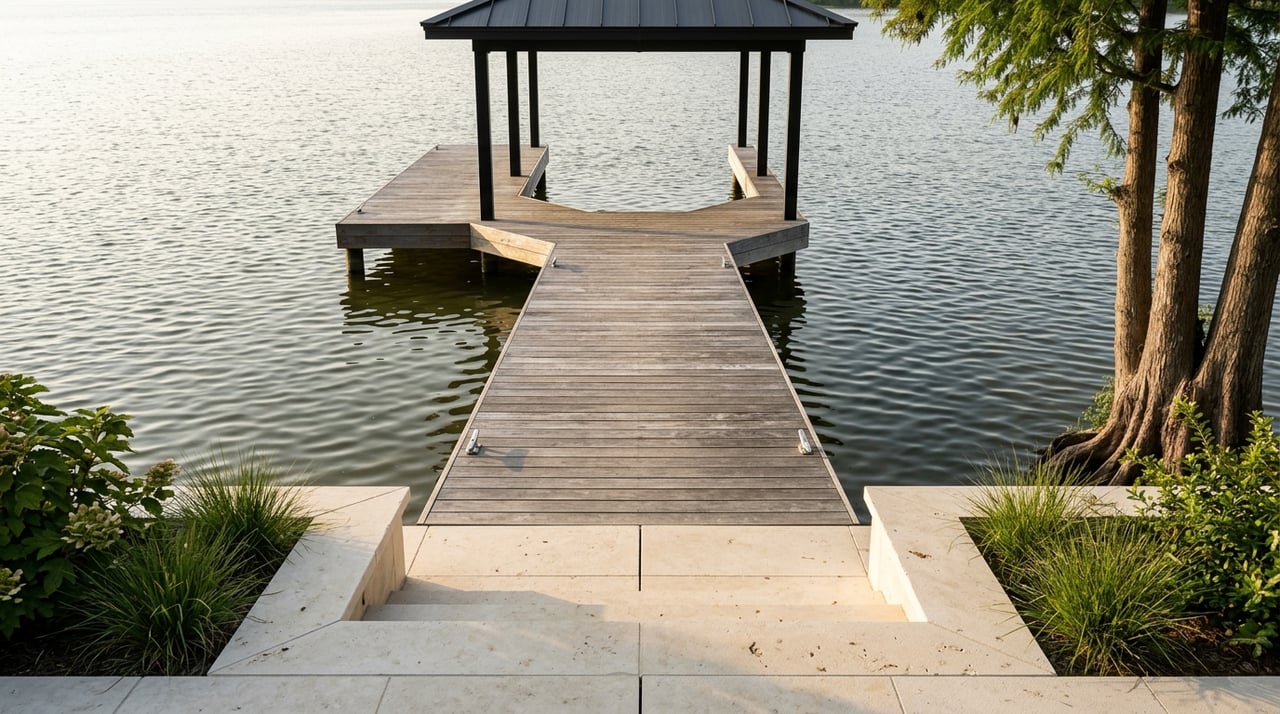
If you are selling a Grand Lake home, you are not just putting a house on the market. You are presenting a lifestyle built around water, views, dock access, and outdoor living. That means the usual selling playbook is not enough. To get the best result, you need a strategy that reflects how buyers actually shop for lake property. Let’s dive in.
Why Grand Lake homes sell differently
Grand Lake O' the Cherokees is one of Oklahoma’s best-known lake destinations, with 46,500 surface acres and roughly 1,300 miles of shoreline. Buyers are often drawn to the full experience of the area, including boating, fishing, state parks, and waterfront communities.
That matters when you sell. A buyer is not only evaluating square footage, finishes, and layout. They are also asking how easy the property is to enjoy from the water and from land.
What affects Grand Lake value most
On lake property, certain features carry more weight than they do in a typical neighborhood sale. Waterfront position, usable shoreline, dock access, and view corridors often play a major role in pricing and buyer demand.
According to Zillow’s 2026 home features research, waterfront homes sold for 3% more than expected, and homes with a dock sold for 5.4% more than expected. That does not mean every dock adds the same value, but it does show how strongly buyers respond to direct lake access.
Waterfront position matters
Not all lakefront is equal. A property with easy access to the water, a more usable shoreline, and broad views may appeal differently than one with more limited access or a steeper approach.
The research cited in Zillow’s feature study also notes that frontage and lot depth matter, and that direct lakefront and bluff-overlooking lots can carry a positive price effect. For sellers, this means pricing should reflect the real-world utility of the lot, not just the address.
The dock is a major selling feature
At Grand Lake, the dock is often part of the headline. Buyers want to know whether it is permitted, functional, safe, and easy to use.
If your sale includes a dock, preparation should begin early. The condition of the dock, lifts, walkways, lighting, and access points can influence both buyer confidence and the overall impression of the property.
Prepare the dock before listing
Dock issues can slow down a sale if they are discovered late. Grand River Dam Authority, or GRDA, requires permits for private docks and a final inspection after construction or modification. For docks with electricity, current electrical certification is also required under GRDA permit rules and applications.
Before your home goes live, it is wise to review the dock with care. GRDA also recommends checking items such as electrical compliance, overall safety, and seasonal readiness in its guidance on getting your dock ready for lake season.
What to inspect before launch
A pre-listing dock review should include:
- Rust or visible corrosion
- Loose or damaged boards
- Lift condition and operation
- Nonworking lights
- Algae buildup
- Overgrown shoreline vegetation
- Electrical compliance for docks with power
Cleaning and repairing these items before photos and showings can improve how the property presents and reduce surprises during due diligence.
Handle permit transfer early
A dock does not automatically transfer with the house. According to GRDA’s private dock sale notification form, the form should be completed prior to or at closing, and the buyer must still submit an application to transfer the dock permit within 14 days of closing.
This is one of the most important details for Grand Lake sellers. If your home includes a dock, addressing the permit process upfront helps keep the closing on track.
Choose the right listing window
Timing matters in every market, but Grand Lake has its own rhythm. Nationally, spring tends to be the strongest selling season. The National Association of Realtors reports that peak buying season runs from April through June, with June prices about 16% higher than winter months and median days on market dropping to 31 in June.
At the same time, lake markets do not always follow the same pattern as suburban neighborhoods. Because Grand Lake is a recreation-driven market, buyers may respond most strongly when the water, dock, and outdoor spaces show at their best.
Late spring often shows best
For many Grand Lake properties, late spring into early summer can be an especially effective time to list. The shoreline is greener, dock access is easier to picture, and outdoor living spaces feel more usable.
That said, the ideal launch date should still depend on current inventory, recent comparable sales, and the type of buyer your home is likely to attract. National timing trends are helpful, but local positioning matters more.
Start prep sooner than you think
Preparation often takes longer than sellers expect. Realtor.com found that 53% of sellers took one month or less to prepare to list, which is a reminder to start early.
For a Grand Lake home, that prep period may include dock cleanup, small repairs, disclosure review, photo planning, and staging of outdoor areas. When these tasks are done ahead of time, your listing can hit the market with more impact.
Market the lifestyle, not just the home
The strongest Grand Lake listings do more than document rooms. They show what it feels like to own the property.
That is especially important in a luxury lake market, where buyers may be comparing primary homes, second homes, and retreat-style properties. The goal is to help them picture mornings on the patio, sunset views over the water, and easy days spent at the dock.
Prioritize the right visuals
For lake property, some images do far more work than others. Based on the research and buyer behavior, the most valuable visual assets often include:
- Water-facing exterior photography
- Drone or elevated shoreline views
- Dock and lift imagery
- Sunset or evening water shots
- Patios, decks, fire pits, and outdoor entertaining spaces
This aligns with Zillow’s 2026 feature research, which found measurable premiums for dock access and several outdoor lifestyle features such as outdoor kitchens, outdoor showers, and outdoor fireplaces.
Outdoor spaces deserve careful attention
Outdoor areas are not secondary at Grand Lake. In many cases, they are central to the buyer’s decision.
Before listing, make sure patios, decks, fire features, and seating areas are clean, uncluttered, and visually cohesive. If the outdoor setting feels polished and easy to enjoy, buyers are more likely to connect emotionally with the property.
Build a smart due diligence plan
Grand Lake sales often involve details that should be verified before the home goes live. Taking care of them early can reduce friction once an offer comes in.
For sellers, the biggest areas to review are flood risk, insurance considerations, title details, easements, and required disclosure forms. These are not last-minute items.
Check flood maps early
Lakefront and near-water properties should be reviewed for flood-zone status before listing. FEMA says the Flood Map Service Center is the official source for flood maps, and homes in high-risk A or V zones with a federally backed mortgage require flood insurance.
Even if your buyer ultimately handles insurance decisions, having accurate flood-zone information early can help avoid confusion during escrow.
Organize disclosure forms
The Oklahoma Real Estate Commission provides contract forms and related addenda that are relevant to sellers, including residential property condition disclosures, disclaimer statements, lead-based paint forms, a home-inspection flyer, and a wire-fraud advisory.
If your home was built before 1978, lead-based paint disclosure may also apply. It is best to gather these materials early so your listing process moves smoothly.
Review title and easement issues
With lake property, title details can be more nuanced than they are in a typical residential sale. Shoreline easements, dock-related language, or community-specific rules may need review before you list.
Bringing those questions into the process early can protect your timeline and help buyers feel more confident when they evaluate the property.
Protect privacy during showings
Many Grand Lake sellers value discretion, especially in the luxury market. A thoughtful showing plan can help you protect privacy while still giving qualified buyers a strong experience.
A practical approach may include controlled access, pre-approved showings, careful parking instructions, and limits around dock use during tours. That creates a more polished experience and avoids unnecessary disruption.
Selling the right way means planning ahead
The best Grand Lake sales are rarely accidental. They come from strong preparation, realistic pricing, polished presentation, and early attention to dock, shoreline, and disclosure details.
When your home is positioned correctly, buyers can see both the property and the lifestyle it offers. If you want a tailored strategy for selling your Grand Lake property with discretion, elevated marketing, and careful attention to detail, connect with Wyatt Poindexter.
FAQs
What affects the value of a Grand Lake home most?
- Waterfront position, view quality, dock usability, shoreline condition, and how easy the property is to enjoy from the water and land often have the biggest impact on value.
Does a dock transfer automatically with a Grand Lake home sale?
- No. GRDA requires dock permit transfer approval, and the buyer must submit the transfer application as part of the dock-sale process.
When is the best time to list a Grand Lake home for sale?
- Spring is often strong nationally, but many Grand Lake homes show especially well in late spring or early summer when the water and outdoor features look their best.
What should a Grand Lake seller verify before listing?
- You should confirm dock permits, electrical compliance, flood-risk information, disclosure paperwork, and any title or easement issues before going live.
Why do outdoor spaces matter so much when selling a Grand Lake property?
- Buyers are often purchasing a lake lifestyle as much as a house, so patios, decks, docks, views, and shoreline presentation can strongly influence interest and perceived value.