By Wyatt Poindexter | The Agency Oklahoma
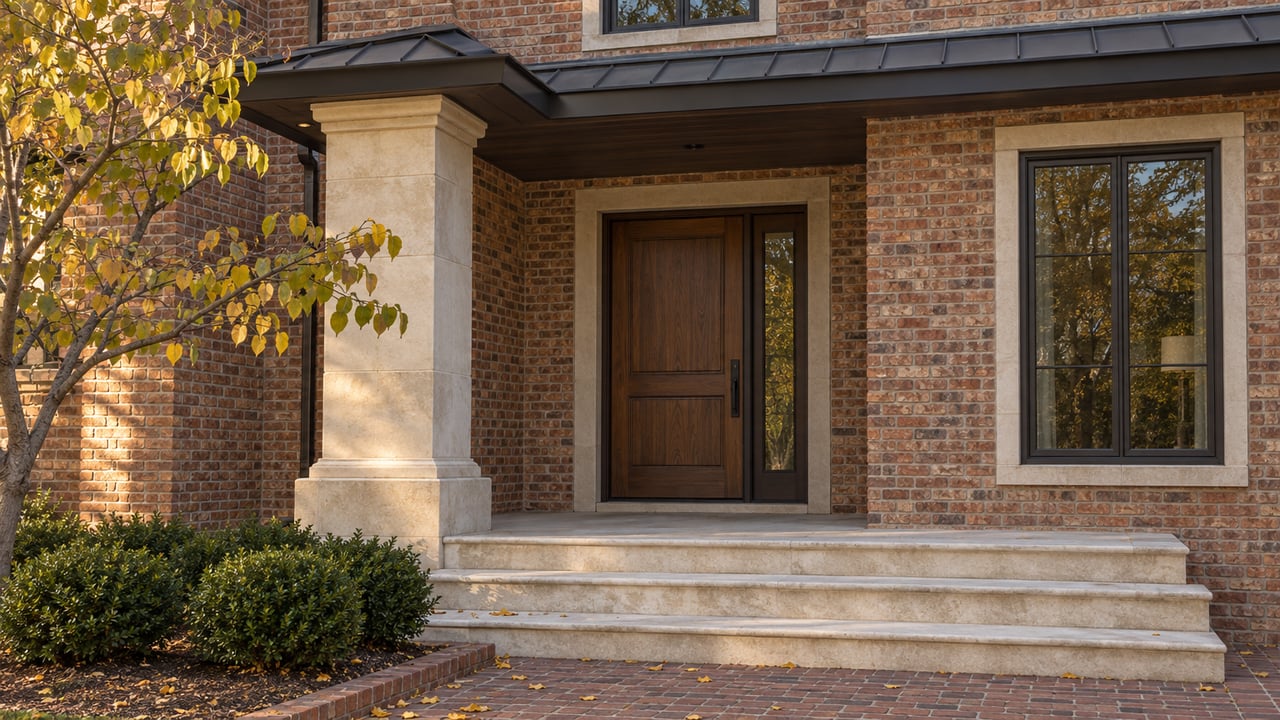
A beautiful home. Professional photography. Strong marketing. A seller who has invested years of care—and often significant money—into the property.
And still, no offer.
That is one of the hardest conversations in real estate this fall. Sellers want to know why their home isn’t moving. Buyers want to know whether they are paying too much. Realtors are working to bring both sides together while financing costs, competing inventory, property condition, and expectations pull them in different directions.
After 31 years in real estate, I consider 2026 one of the most challenging markets I have worked through. Homes are selling, but getting from a listing appointment to a successful closing requires more preparation, more patience, and more honest conversations than many people expect.
The sellers who understand that early give themselves a meaningful advantage.
Interest Rates Are Changing the Conversation
According to Freddie Mac’s October 1, 2026 survey, the average 30-year fixed mortgage rate was 7.28%, compared with 6.34% a year earlier. These are national averages for a particular borrower and loan profile; an individual buyer’s rate will depend on credit, loan structure, down payment, and other factors.
For buyers, that means the conversation extends well beyond the purchase price. They are evaluating the monthly payment, property taxes, insurance, maintenance, and the cash they will need after closing.
A buyer can love a home and still decide the numbers do not work.
Sellers need to understand that distinction. A buyer’s hesitation is not necessarily a criticism of the property. Sometimes it is the difference between admiring a home and being comfortable owning it.
Buyers should also avoid building a purchase around the assumption that they can refinance soon. A future refinance may be possible, but its timing, cost, and availability are uncertain. The purchase needs to make sense under the financing available today.
More Competition Means Sellers Have to Earn Attention
Realtor.com’s September 2026 Oklahoma data showed active listings up 4% from a year earlier and median days on market at 62 days, approximately 17% longer than a year earlier. The statewide median sold price was still up 4% year over year. That combination matters: a slower market does not automatically mean every property has lost value. It does mean sellers may face more competition and a longer path to a sale.
Statewide numbers are only the starting point. A home in Edmond, a waterfront property at Grand Lake, a Tulsa residence, and a large acreage estate can have very different buyer pools.
In the luxury segment, that difference becomes especially important. A spectacular property can appeal to many people while fitting the needs and budget of relatively few.
Marketing can introduce the property to those buyers. Pricing and presentation determine whether they take the next step.
Your Appraisal Matters—But It Is Not a Guaranteed Sale Price
One of the most common statements I hear from sellers is: “But my home appraised for more than that.”
An appraisal deserves consideration. It is a professional opinion of value, supported by an analysis of the property and relevant market evidence. But an appraisal is not an offer, and it does not obligate a buyer to purchase the home at that figure.
Its effective date, purpose, assumptions, and comparable sales matter. An appraisal completed under different market conditions may not reflect the competition your home faces today.
When setting a listing price, we need to consider recent comparable sales alongside current listings, pending activity where available, property condition, buyer response, and the seller’s timeline.
If an appraisal supports $1.5 million, but buyers can purchase a comparable, updated home nearby for less, that competing property still matters. Buyers will compare what their money buys.
The right approach is to use the appraisal as part of the evidence—not let it prevent us from responding to the market.
Your investment, your mortgage balance, and the amount you need for your next purchase all matter to you. They do not independently establish what another person will pay.
Dated Homes Are Competing Against Updated Homes
Buyers do not tour homes in isolation. They compare them.
They compare your kitchen with the newer kitchen they saw yesterday. They compare your lighting, bathrooms, windows, flooring, and outdoor spaces with other homes available at the same price.
A well-maintained home can still feel dated.
Dark rooms, heavy window treatments, older fixtures, and a style that feels rooted in another decade can narrow its appeal. That does not mean the home lacks quality. It means the asking price needs to recognize how buyers perceive it relative to the alternatives.
An older home should not automatically expect the same price per square foot as a comparable new or extensively updated home. Location, lot quality, construction, layout, and other differences still require careful analysis.
The question is not simply, “What did the house down the street sell for?”
It is, “How does my home compare with the homes buyers can choose right now?”
Buyers Are Pricing in the Work
I am seeing buyers submit offers well below asking price because they anticipate updates after closing.
For sellers, that can feel personal. You may love the kitchen. You may have selected every finish yourself. Hearing that someone wants to change it can be frustrating.
But we need to separate two things.
A buyer’s optional wish list does not automatically justify deducting every dollar of a proposed renovation from the home’s value. A perfectly functional kitchen does not become defective because someone prefers a different color.
At the same time, dated finishes, deferred maintenance, and necessary repairs can affect market appeal. Buyers also consider the time, inconvenience, and uncertainty involved in completing the work.
My job is to help distinguish a reasonable adjustment supported by market evidence from an aggressive negotiating position. Neither outrage nor automatic acceptance produces the best decision.
Showing Activity Is Information
A listing’s activity gives us clues about how the market is responding.
Very few showings can signal a problem with pricing, exposure, presentation, access, or the size of the buyer pool. Plenty of showings without offers may suggest that the home is attracting interest but losing buyers when they compare its condition or value with other options.
Repeated feedback about the same issue deserves attention.
One comment is an opinion. A consistent pattern is useful evidence.
I encourage sellers to review activity regularly with their Realtor and compare it with genuinely similar listings. There is no universal deadline that applies equally to a starter home and a multimillion-dollar estate. The important thing is to establish a review plan and act when the evidence supports a change.
A thoughtful adjustment can put a home in front of a different group of buyers. A small reduction that leaves the property uncompetitive may accomplish very little.
The Appraisal Can Become a Second Negotiation
Agreeing on a price does not eliminate valuation risk.
If a lender’s appraisal comes in below the contract price, financing may be affected. Depending on the loan and contract, the parties may need to renegotiate, the buyer may need additional cash, or the transaction may not proceed. A buyer can also ask the lender about reviewing factual errors or relevant comparable sales through its established process.
This is why I want pricing discussions to happen before a home goes under contract.
A strong offer is encouraging. A price supported by appropriate evidence—and a buyer prepared to complete the purchase—is what helps carry the transaction toward closing.
Experience Matters When the Market Gets Difficult
This fall, sellers need clear advice and the willingness to respond to it. Buyers need careful financing preparation and a realistic understanding of both value and ownership costs.
Everyone benefits from fewer assumptions.
At The Agency Oklahoma, we combine local market knowledge with the reach of a global real estate brand. Our Oklahoma City and Tulsa operations serve buyers and sellers throughout their surrounding markets, with work extending to communities including Edmond, Arcadia, Nichols Hills, Grand Lake, and Carlton Landing. Our approach centers on thoughtful positioning, professional marketing, and attentive representation.
My career includes 31 years in real estate, more than $1 billion in career sales, and over 1,000 homes sold. RealTrends’ 2026 Oklahoma ranking lists me No. 1 among individual agents by sales volume.
Those accomplishments matter most when the experience behind them helps a client make a better decision.
Sometimes that means negotiating firmly. Sometimes it means improving presentation. Sometimes it means telling a seller, respectfully, that the market is asking us to change the price.
Your home deserves an excellent marketing strategy. It also deserves a price that gives that strategy a chance to succeed.
Wyatt Poindexter
Managing Partner | The Agency Oklahoma
405-417-5466
www.OKLuxuryHomes.com