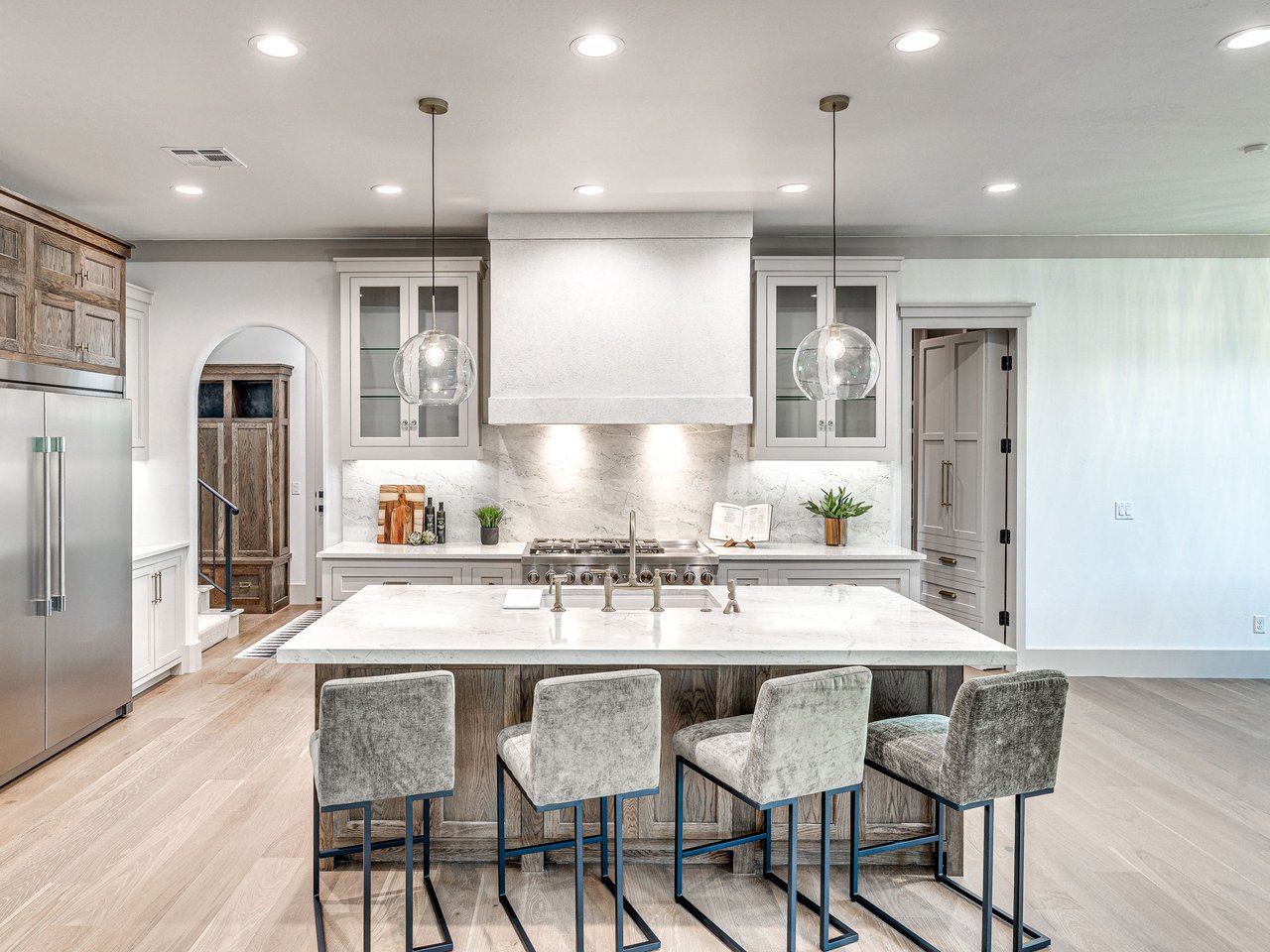
The Invisible Signals of Luxury: What High-End Buyers Really Notice (That Most Sellers Completely Miss)
In luxury real estate, the conversation is rarely about square footage, price per foot, or even location in the way most people think. At the highest levels of the market, decisions are driven by something far more subtle—an emotional, almost subconscious reaction to signals most sellers don’t even realize they’re sending.
If you’ve ever wondered why two nearly identical luxury homes can perform completely differently on the market, this is the reason. The difference isn’t always the home itself. It’s the experience.
The truth is, luxury buyers aren’t just purchasing property—they’re buying a feeling, a narrative, and often, a reflection of who they believe themselves to be.
Here’s what they’re actually noticing.
1. The “Arrival Experience” Is More Valuable Than the House Itself
Before a buyer ever walks through your front door, they’ve already started forming a decision.
The curve of the driveway. The timing of how the home reveals itself. The landscaping maturity. Even the sound when a car door shuts in the driveway.
Top-tier buyers are hyper-aware of arrival. They want a sense of anticipation, privacy, and presence. A long, intentional approach often signals exclusivity. A home that reveals itself too quickly can subconsciously feel less valuable—even if it’s objectively stunning.
This is why gated communities like Gaillardia, Oak Tree, and Rose Creek perform so well—they control the journey, not just the destination.
2. Silence Is the Ultimate Luxury
Most sellers focus on finishes—marble, quartz, imported wood—but overlook something far more powerful: silence.
Affluent buyers are escaping noise. Not just traffic, but mental noise. HVAC systems that hum too loudly, echoing rooms, or even subtle street sounds can instantly break the illusion of luxury.
High-end buyers often won’t mention it—but they feel it immediately.
True luxury homes feel calm. Controlled. Quiet.
3. Scale Without Warmth Feels Like a Hotel
Oversized spaces can backfire if they aren’t designed correctly. Buyers at the top of the market want grand, but they also want intimate.
A 20-foot ceiling is impressive. But if there’s no balance—texture, lighting, layering—it feels cold and impersonal.
The best luxury homes create micro-experiences within large spaces. A reading corner. A wine nook. A seating area that feels like a private retreat within a grand room.
This is what separates a “big house” from a true luxury residence.
4. The Story Matters More Than the Specs
Luxury buyers don’t just ask, “What is this home?” They ask, “Why does this home exist?”
Was it custom built by a visionary? Designed for entertaining? Inspired by a European estate? Positioned for sunset views?
If there’s no story, the home becomes forgettable.
The most successful luxury listings in areas like Nichols Hills, Arcadia, and Edmond are the ones that communicate identity. They give buyers something to emotionally connect with beyond finishes and features.
5. Subtle Imperfections Break Trust Instantly
In the luxury space, buyers assume perfection.
That means small issues—misaligned cabinet doors, scuffed baseboards, outdated fixtures—don’t feel minor. They feel like red flags.
The thought process becomes: “If this detail was overlooked, what else was?”
Luxury buyers aren’t just evaluating aesthetics—they’re evaluating care. And care signals value.
6. Light Is the Most Underrated Feature in Real Estate
Natural light isn’t just a bonus—it’s a defining factor in how a luxury home feels.
Morning light in the kitchen. Golden hour hitting the backyard. The way shadows move throughout the day.
Buyers at this level are incredibly sensitive to lighting, even if they don’t consciously realize it. A home that photographs well but feels dark in person will always underperform.
The best properties are designed with light in mind from the very beginning.
7. Privacy Is the New Status Symbol
Years ago, luxury meant visibility—big homes, prominent locations, attention.
Today, true luxury is often the opposite.
Buyers want to feel hidden, protected, and removed from the outside world. This is why properties in Arcadia and gated sections of Edmond are seeing increased demand.
It’s not about showing wealth. It’s about controlling access to it.
8. Emotional Timing Can Make or Break a Sale
Here’s something almost no one talks about: the timing of a showing can dramatically impact perception.
A home shown at sunset feels different than at noon. A rainy day creates a different mood than a bright, crisp morning.
Luxury buyers are highly influenced by atmosphere. The right timing can elevate a property. The wrong timing can diminish it.
This is where strategy becomes everything—and where top agents separate themselves.
“I once showed a buyer one of my listings that just didn’t work for them,” Wyatt Poindexter shares. “Instead of pushing the home, I asked them—what’s missing? What really matters to you?”
That single question changed everything.
“I had an off-market property that fit exactly what they described. We went and looked at it right after lunch. They liked it… but they weren’t emotionally committed yet.”
Most agents would have followed up the next day.
Wyatt did something different.
“I told them, ‘You need to come back tonight.’ They asked me if it really mattered. I said, ‘Yes—I insist. Meet me back here at 8:00 PM.’”
That evening, the entire property transformed.
“The landscape lighting, the pool lights, the ambiance—it became an experience. They walked into the backyard, paused, turned around, and said, ‘Write it up.’”
The home closed in four weeks.
“That’s the difference,” Wyatt explains. “I don’t just show homes—I create the moment that makes buyers feel the decision.”
9. The Pricing Truth No One Wants to Hear (But Every Seller Needs to Understand)
This is one of the most critical—and emotional—parts of selling a luxury home.
As a seller, you’ve poured your heart and soul into your home. You’ve built memories there. Celebrated milestones. Invested time, money, and personal taste into every detail.
And that matters.
But here’s the reality: buyers don’t purchase your home based on your memories, your emotions, or your personal attachment.
They buy based on their perception of value.
“When I sit down with a seller, I respect the emotional connection,” Wyatt says. “But I also tell them the truth—buyers don’t pay for your story. They pay for how the home fits their life.”
When a home is priced based on emotion instead of strategy, it immediately puts you at a disadvantage—no matter how exceptional the property is.
“If your home is being marketed every week—globally, aggressively—with high-end media, social campaigns, and agent outreach… and you’re not getting showings or offers,” Wyatt explains, “there’s only one reason.”
He’s direct.
“Your home is overpriced. The market is telling you that. And the longer you ignore it, the more it costs you.”
Luxury buyers today are highly educated. They study the market. They know the comps. And when something feels off, they don’t engage—they move on.
And sometimes, the hardest decision is the right one.
“I recently made the decision to release a listing,” Wyatt shares. “It was about $50,000 overpriced, and the seller wouldn’t adjust.”
That’s not easy—but it’s necessary at the highest level.
“As an agent, your job isn’t just to take listings—it’s to protect your client’s outcome and your reputation. If a seller isn’t willing to position the home correctly, you have to be willing to walk away.”
This level of honesty is what separates elite agents from average ones.
“Unrealistic pricing doesn’t just waste time—it damages the property’s perception. It becomes stale, invites low offers, and ultimately sells for less.”
The goal is never to “test the market.”
The goal is to own the market from day one.
Final Thought
Luxury real estate isn’t about bigger—it’s about better. More intentional. More strategic. More emotionally intelligent.
It’s about knowing when to guide, when to push, and when to create a moment that changes everything.
Because in this market, the difference between a listing and a sale often comes down to one thing:
Execution.
And the agents who master that don’t just sell homes.
They define the market.
Wyatt Poindexter is a premier luxury real estate agent in Oklahoma specializing in high-end homes, gated communities, lakefront properties, and estate homes across Oklahoma City, Edmond, Arcadia, and all surrounding areas.
Wyatt Poindexter - Oklahoma Luxury Real Estate - The Agency - 405-417-5466 - [email protected] - www.OKLuxuryHomes.com