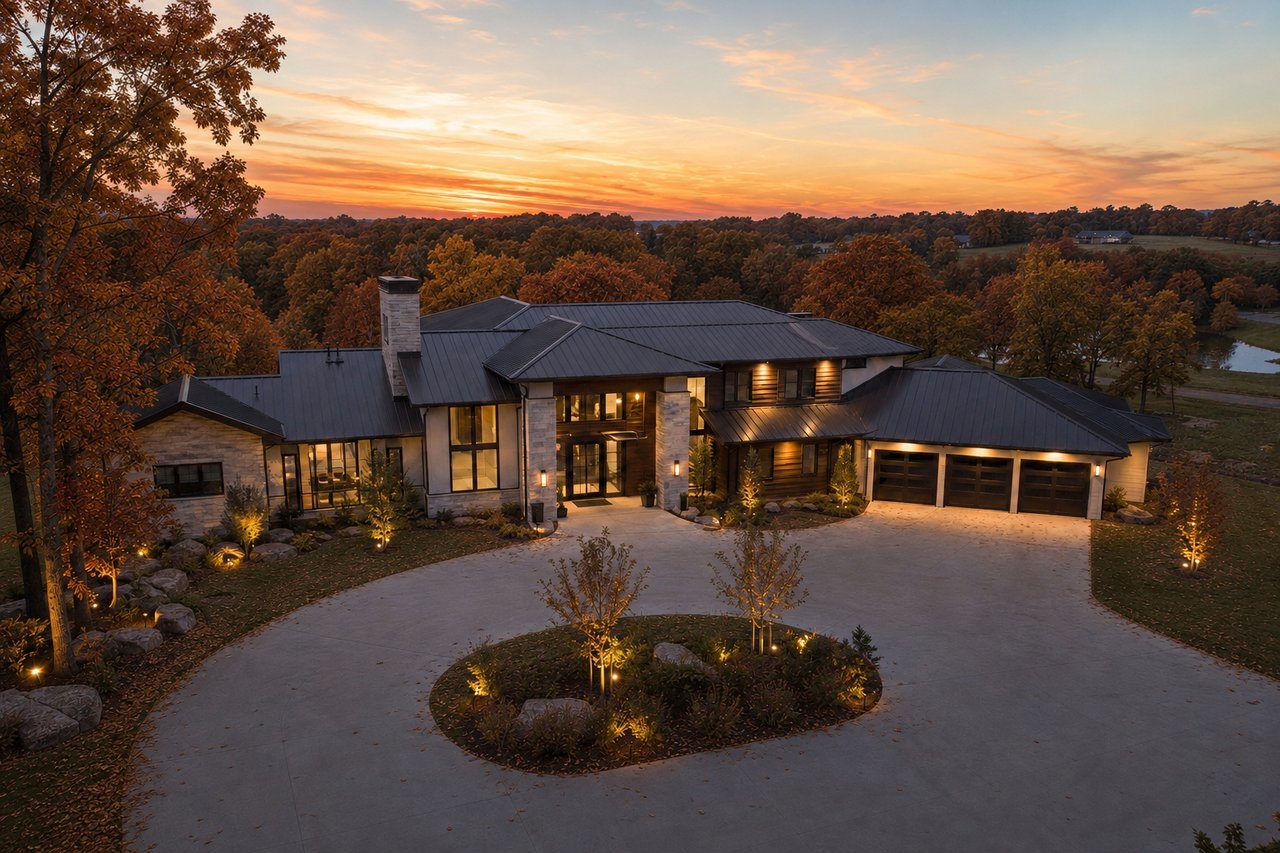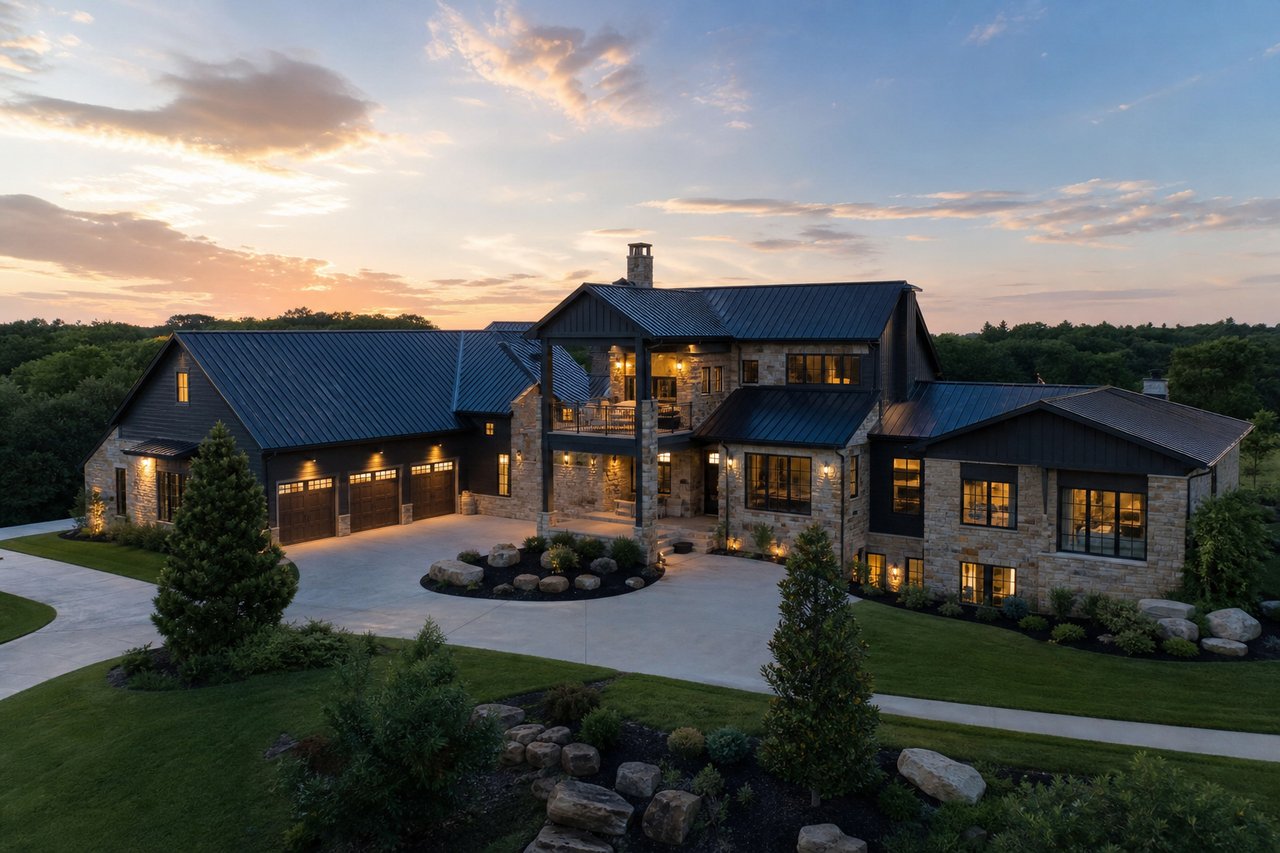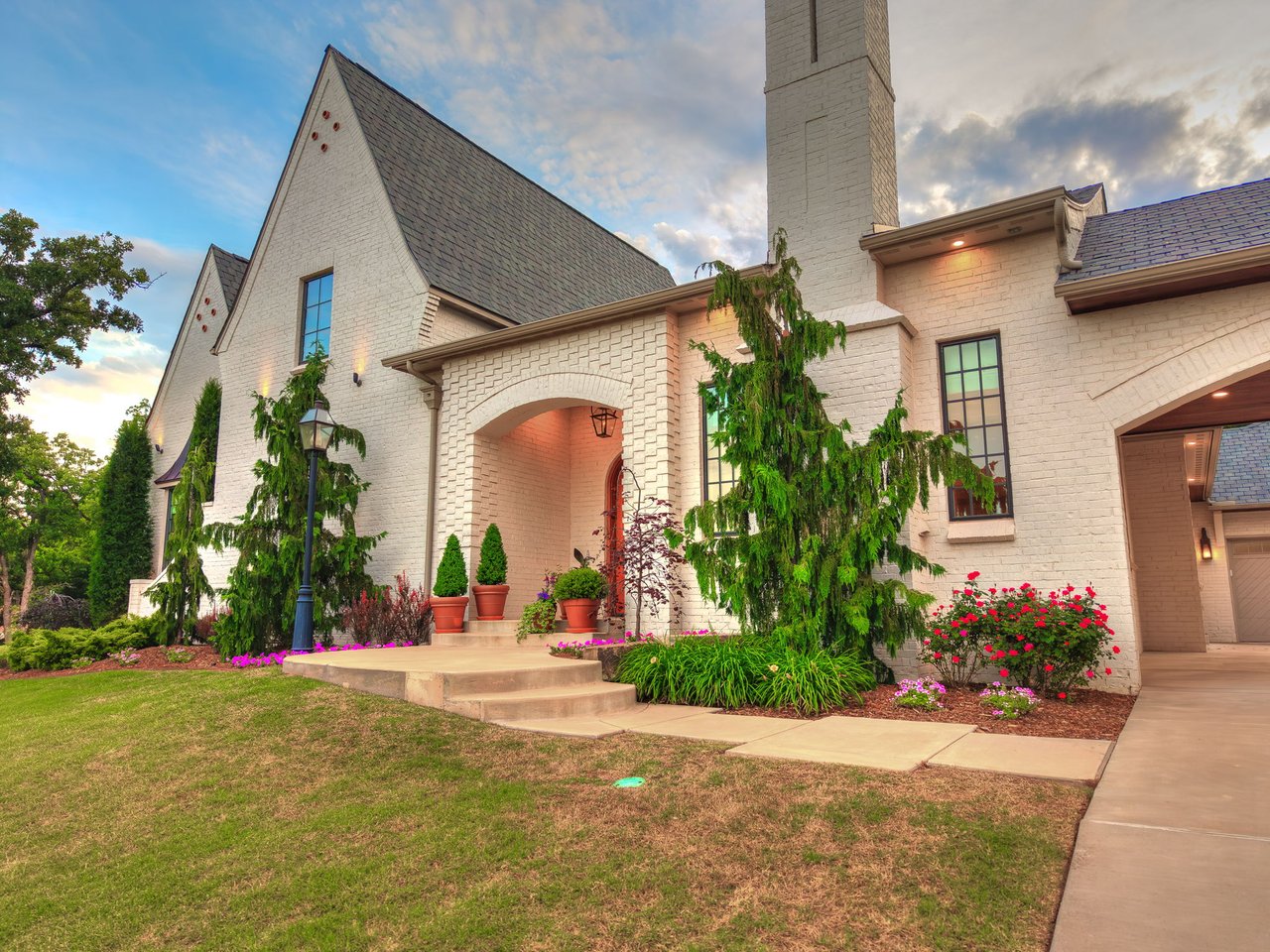
Thinking about building a custom luxury home in Arcadia? The setting can feel ideal at first glance: more land, more privacy, and quick access to Oklahoma City. But before you fall in love with a parcel or sketch your dream floor plan, you need to know how Arcadia’s building rules, utility access, drainage requirements, and permit process can shape your budget and timeline. If you understand those pieces early, you can make better decisions and avoid expensive surprises. Let’s dive in.
Why Arcadia attracts luxury homebuyers
Arcadia offers a different pace from many suburban markets in central Oklahoma. The town describes itself as a peaceful rural community about 15 miles north of Oklahoma City and about 6 miles east of I-35, which makes it appealing if you want space without feeling disconnected.
For luxury buyers, that appeal often comes down to land as much as the home itself. In Arcadia, privacy, road access, utility availability, and parcel shape can matter just as much as architecture, especially when you are evaluating larger tracts, unplatted land, or property near Arcadia Lake.
Start with the lot, not the house plan
One of the biggest mistakes buyers make is choosing a home design before confirming what the site can realistically support. In Arcadia, the land itself can determine everything from setbacks and driveway layout to water service, septic feasibility, and drainage work.
That is especially true for acreage and lake-adjacent parcels. A property may look straightforward on paper, but you still need to verify whether it sits inside town limits, whether municipal water and sewer are available, and whether flood-prone or shoreline-related review could affect the build.
Check whether the parcel is inside town limits
Your first step should be confirming the parcel’s jurisdiction and zoning context. That one detail can affect utility access, permit requirements, and which building standards apply.
If the property is near the Route 66 or Main Street core, the restricted area is one of the first things to verify. Arcadia’s ordinance revisions identify R-1 single-family, R-2 multifamily, agricultural, dual commercial/agricultural, institutional, and restricted-area designations.
Review access and parcel shape early
In a market like Arcadia, access is not a minor issue. Road frontage, driveway placement, and how the parcel meets the road can all affect how easily you can build and how much site work may be required.
Oklahoma County subdivision standards include driveway-access rules that can matter during due diligence. Those standards address items like frontage on an existing public road, one driveway per lot frontage in some cases, and driveway geometry on certain roads, so these details are worth reviewing before you close.
Know Arcadia’s residential building standards
Arcadia’s published standards are more specific than many buyers expect. If you are planning a luxury custom home, you need to align your design with those standards early rather than trying to revise plans later.
The town’s ordinances call for:
- 75% masonry on residential structures
- A maximum height of two stories
- 25-foot setbacks
- A minimum of 1,500 square feet of heated and cooled living area inside the restricted area
- A minimum of 1,000 square feet of heated and cooled living area outside the restricted area
- Garages that may not exceed 600 square feet
These standards can directly affect massing, materials, and garage configuration. If you are envisioning an oversized attached garage, a lighter exterior palette with less masonry, or a taller design statement, your architect and builder need to account for Arcadia’s rules from the beginning.
Driveways and site improvements matter too
The home is only part of the approval picture. Arcadia’s ordinances also state that future residential developments should have concrete drives and approaches and, where feasible, sidewalks.
That means your site budget should include more than the structure itself. Driveways, grading, drainage, utility connections, and any required access improvements can become significant line items on a luxury build.
Utilities can change your budget fast
Utility access is one of the most important questions for any Arcadia homesite. Inside town limits, Arcadia’s public works information says water supply comes from Edmond, wastewater is treated and collected by Edmond, gas is provided by ONG, electric by OG&E, and garbage by Eastside Waste Management.
The town maintains water lines to the meter and wastewater mains to the treatment facility. The current fee sheet lists a $50 connection or deposit, a $35 monthly water base fee for the first 1,000 gallons, and a $35.20 monthly sewer base fee for the first 2,000 gallons, with meter and impact fees in addition.
If utilities are not readily accessible
Not every parcel will have simple utility access. Arcadia’s development ordinance says the developer or builder is financially responsible for water and sewer infrastructure where service is not accessible.
If sanitary sewer is not reasonably accessible, septic or another unit disposal system may be used, but the lot must be at least 15,000 square feet and the system must comply with state, county, and Oklahoma DEQ rules. For developments of 40 acres or more, the Planning and Zoning Commission may require sanitary sewer installation.
For a luxury buyer, this is where an attractive piece of land can become more complex than expected. Extending service, confirming septic feasibility, and planning drainage can materially affect both timeline and total cost.
Flood, drainage, and lake proximity deserve close review
Arcadia Lake is a major part of the area’s appeal. It is also a reason to do more site diligence, especially if you are looking at low-lying acreage or parcels near the water.
The permit application requires a flood-prone-area check and can require a minimum first-floor elevation survey. That makes flood and drainage review especially important if the property includes swales, low spots, or terrain that could influence water flow after heavy rain.
Lake-adjacent parcels may involve added review
Arcadia Lake includes 1,820 surface acres and 26 miles of shoreline. Public shoreline-management materials for the lake address matters such as private boat docks, mowing permits, and other uses of government property.
If a parcel borders Corps land or sits very close to the lake, you may be dealing with an additional layer of review related to shoreline access, vegetation, or assumptions about docks and use areas. That is why lake proximity should always be verified with your team before you finalize a purchase.
Permits in Arcadia are detailed by design
Arcadia requires a written building permit before work begins. The application asks for the owner’s signature, proof of ownership, a legal description, two copies of construction plans or specifications, and a site plan showing property lines, streets, and the structure location.
For acreage or unplatted land, the process can require even more attention. The town’s permit form calls for a first recorded deed if the tract is unplatted and 5 acres or smaller or if it is a split lot, which means survey work, title review, and a clear legal description should happen early.
Licensed trades and inspections are required
The town states that electrical, plumbing, and HVAC work must be performed by Oklahoma-licensed professionals. The owner or builder also must request inspections before additional work proceeds.
This is one reason luxury builds benefit from a tightly coordinated team. Design ambition is important, but so is sequencing the work properly and making sure approvals happen at the right points.
Understand the permit fees and timing
Arcadia’s fee structure is another reason to underwrite the project carefully before you buy. The town’s fee sheet lists:
- Residential permit rate of $0.15 per square foot
- $30 application fee
- $1,500 engineering fee for runoff and erosion
- Water meter fees starting at $670
- Single long service fee of $3,410
- Single short service fee of $1,980
- Sewer capacity fee of $715
- Sewer tap fee of $100
The town also states that all projects must commence within 18 months of permit receipt or the fees are forfeited. If your design, engineering, financing, or site-prep timeline stretches, that deadline can become a real planning issue.
Build your team before closing on land
In Arcadia, due diligence should happen before the purchase is final whenever possible. The town’s required site plans, ownership documentation, flood review, and inspection steps all point to the same conclusion: the right team needs to be involved early.
For most luxury custom builds, that team should include:
- A buyer’s agent or land specialist who understands Arcadia parcel rules
- A surveyor
- An architect
- A civil engineer
- Trade professionals who can help verify utility coordination and permit sequencing
This early approach can help you answer practical questions that matter to your final outcome. Can the lot support the footprint you want? Are setbacks workable? Will the driveway layout be straightforward? Is sewer available, or will septic need to be evaluated? Will drainage or flood-related issues add engineering costs?
What luxury buyers should focus on first
If you are comparing custom-home opportunities in Arcadia, try to think in this order:
- Parcel feasibility: zoning, legal description, setbacks, access, and road frontage
- Utility reality: water, sewer, gas, electric, and any extension costs
- Site conditions: drainage, flood-prone review, elevation, and lake proximity
- Design fit: masonry requirements, height limits, square footage minimums, and garage size
- Permit timing and fees: total upfront cost and realistic schedule
That sequence can help you protect both your vision and your budget. In a market like Arcadia, the smartest luxury builds usually start with disciplined land analysis, not just beautiful inspiration.
If you are planning a custom luxury home in Arcadia, experienced guidance can make the process far more efficient from the start. For discreet, high-touch help evaluating land, luxury opportunities, and the right path forward, connect with Wyatt Poindexter.
FAQs
What should you verify before buying land in Arcadia for a custom luxury home?
- Confirm whether the parcel is inside town limits, review zoning or restricted-area status, verify road access and frontage, check utility availability, and assess flood-prone or drainage conditions before closing.
What are Arcadia’s main residential building rules for a new custom home?
- Arcadia’s published standards include 75% masonry, a maximum of two stories, 25-foot setbacks, minimum heated and cooled living area requirements, and a garage limit of 600 square feet.
What utility questions matter most for a luxury homesite in Arcadia?
- You should find out whether municipal water and sewer are accessible, what extension or connection costs may apply, and whether septic may be needed if sanitary sewer is not reasonably accessible.
What permit items are required for new home construction in Arcadia?
- The town requires a written permit before work starts, along with proof of ownership, a legal description, two copies of plans or specifications, and a site plan showing property lines, streets, and structure location.
What makes lake-area parcels near Arcadia more complex to build on?
- Parcels near Arcadia Lake may require closer review of drainage, flood-prone conditions, first-floor elevation, and possible shoreline-related limitations if the property borders or sits near government-managed land.
Why should you assemble your build team before closing on Arcadia land?
- Early input from a buyer’s agent, surveyor, architect, civil engineer, and trade professionals can help you verify feasibility, avoid costly surprises, and build a more accurate budget and timeline.