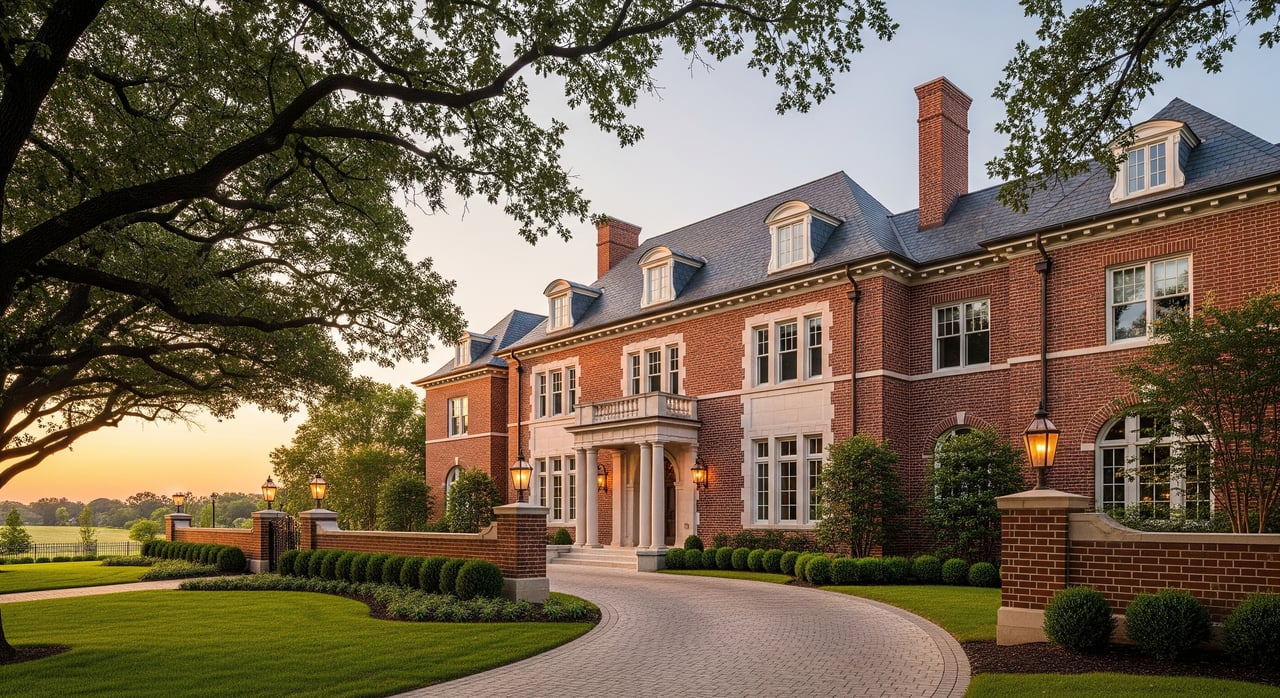
Thinking about moving to Tulsa and wondering where the true luxury pockets are? You want a neighborhood that fits your lifestyle, whether that means tree-lined historic streets, a country-club setting, or a modern custom build with room to breathe. In this guide, you’ll discover the Tulsa areas most buyers consider when shopping in the upper tier, plus practical tips to help you buy with confidence. Let’s dive in.
What luxury means in Tulsa
Luxury in Tulsa isn’t only about price. It often means architect-designed homes, high-end finishes, larger lots, historic significance, or a prime location close to culture and dining. The upper tier here ranges from well above the local median into seven-figure trophy estates. Demand comes from buyers who want historic charm, a golf-and-country-club lifestyle, new custom builds on acreage, suburban executive housing, or urban convenience with restaurants and culture nearby.
Top luxury neighborhoods
Maple Ridge Historic District
If you love classic architecture and heritage, Maple Ridge is one to know. Streets are lined with early 20th-century mansions and large, custom homes, with portions protected by historic overlays. You’re close to Utica Square, the Philbrook Museum of Art, and a quick drive to downtown. Older homes can require specialized inspections, so plan for thorough due diligence and contractors who understand historic systems.
Florence Park and the Pearl District
This Midtown pocket mixes well-kept historic homes with tasteful infill. You’ll find strong curb appeal, a defined neighborhood identity, and easy access to boutique shopping and restaurants around Utica Square. Many buyers choose this area for its walkability and classic streetscape. Lot sizes and parking can be tighter than suburban options, so weigh space against convenience.
Southern Hills and the country-club area
Southern Hills is one of Tulsa’s most recognized prestige addresses. Large custom estates, manicured grounds, and privacy define the area, anchored by the Southern Hills Country Club. It suits buyers who value a country-club lifestyle and traditional elegance. Expect higher price points for the market and be prepared to review HOA and club-related costs where applicable.
Midtown corridor: Brookside, Cherry Street, Utica Square
If dining, shopping, and nightlife matter, this corridor delivers a lively, urban-suburban mix. Housing ranges from renovated bungalows and historic homes to luxury condos and newer infill. You’ll enjoy proximity to downtown and a strong pedestrian scene. Keep in mind that lots are smaller and density is higher than in suburban luxury enclaves, which can impact parking and privacy.
Bixby and Jenks luxury suburbs
South of Tulsa, Bixby and Jenks offer newer construction, large-lot subdivisions, and luxury custom builders. Buyers often choose these communities for modern floor plans, upgraded amenities, and larger yards. Many family buyers consider public-school options as part of their decision-making. Commutes to downtown can be longer from some neighborhoods, so map out your daily routes.
Riverfront and other premium pockets
Tulsa’s riverfront and River Parks–adjacent properties can command premiums for access to outdoor recreation and proximity to the Gathering Place. You’ll also find luxury enclaves in Midtown-adjacent areas and select interior suburbs. Upscale neighborhoods in places like Broken Arrow vary, so evaluate individual communities, amenities, and covenants on a case-by-case basis.
Lifestyle tradeoffs to consider
Historic charm
- Architectural character, heritage, and tree-lined streets.
- Closer to cultural institutions and shopping.
- Expect specialized inspections and potential renovation planning.
Country-club estates
- Privacy, prestige, and manicured grounds.
- Golf and club-centered social life.
- Review HOA and club initiation or membership costs.
New suburban luxury
- Modern plans, energy efficiency, and turnkey amenities.
- Larger lots and newer infrastructure.
- Farther from downtown dining and cultural districts for some buyers.
Key buying considerations
Price, inventory, and timing
Luxury inventory can be tighter than entry-level segments. Well-positioned properties may move quickly, while ultra-high-end estates can take longer to find the right buyer. Ask for neighborhood snapshots that include months of supply, recent sales, and time to contract for comparable homes.
Homes, lots, and inspections
The right due diligence protects your investment. For historic homes, request renovation records, permits, and any historic-district guidelines. For estates and golf-course lots, confirm covenants, easements, and landscape or private road maintenance. Your inspection list should include structural, roof, HVAC, pest, and any septic or well systems if applicable. For major renovations, consider contractor bids before finalizing an offer.
Schools and education options
Public-school boundaries are an important factor for many buyers, especially in suburban markets like Bixby and Jenks. Tulsa also offers respected private-school options, including Holland Hall and Cascia Hall. Verify current boundaries, admissions, and programs as part of your search to ensure they fit your plans.
Insurance and weather risks
Oklahoma experiences elevated tornado and hail risk, so review wind and hail coverage, deductibles, and any wind mitigation recommendations with a local insurer. If a property sits near the Arkansas River or in a lower-lying basin, confirm flood zones and determine whether flood insurance is required or prudent. Roof condition and age can materially affect premiums in this region.
Taxes, utilities, and HOA or club costs
Oklahoma’s effective property tax rates are moderate compared to many states, but higher-value homes will have higher dollar tax bills. Check parcel-level estimates through local assessor data. In neighborhoods with HOA oversight or country-club anchors, clarify annual dues, initiation fees, and what services are included so you have a complete picture of carrying costs.
Commute, amenities, and daily life
Proximity to downtown, access to Tulsa International Airport, and nearby parks and museums are common decision points. Midtown and the river corridor offer strong walkability to restaurants and culture. Suburban luxury areas trade that for space, larger lots, and newer infrastructure. Align your neighborhood choice with how you actually live day to day.
How to find the right home
- Work with a local agent who actively transacts in Tulsa’s upper tier and tracks off-market or pocket opportunities.
- Request a custom market brief for each target neighborhood that covers active inventory, recent sold comps, and average time to contract.
- Confirm builder reputation and warranties for newer construction, and review permits and historic guidelines for older homes.
- Plan a robust inspection process and obtain key contractor bids before finalizing an offer on homes that need work.
- Confirm financing early. Depending on price, a jumbo loan may or may not be necessary. Choose a lender familiar with Oklahoma appraisals and luxury comps.
- Follow local closing practices by ordering title work early and verifying title insurance and any abstract requirements with your closing team.
Next steps
Your move to Tulsa should feel intentional, not rushed. Whether you want the storied streets of Maple Ridge, the club life around Southern Hills, or a modern estate in Bixby or Jenks, the right guidance makes the difference. If you’d like a private conversation and a neighborhood-by-neighborhood plan tailored to your needs, request a white-glove consultation with Wyatt Poindexter.
FAQs
What are Tulsa’s core luxury neighborhoods?
- Buyers often focus on Maple Ridge, Florence Park and nearby Midtown pockets, the Southern Hills country-club area, the Midtown corridor around Brookside and Cherry Street, and newer luxury in Bixby and Jenks.
How does Oklahoma weather impact luxury home insurance?
- Expect to review wind and hail coverage closely, consider roof condition and age, and check flood zones near the river to determine whether flood insurance is needed.
Are there gated or country-club communities in Tulsa?
- Yes, Southern Hills is a leading country-club area, and other neighborhoods may have gated or HOA-managed settings; verify membership terms, covenants, and fees before you buy.
How important are schools for Tulsa luxury buyers?
- Schools are a key factor for many families, with buyers frequently evaluating Bixby and Jenks public options and private schools such as Holland Hall and Cascia Hall.
What are the pros and cons of historic versus new construction?
- Historic homes offer architectural character and location advantages but may require specialized inspections and renovation planning, while new builds provide modern layouts, energy efficiency, and lower immediate maintenance.
Do I need a jumbo loan to buy luxury in Tulsa?
- Not always; since luxury here spans a range of prices, confirm loan options early and choose a lender familiar with Oklahoma appraisal standards and high-end comparables.