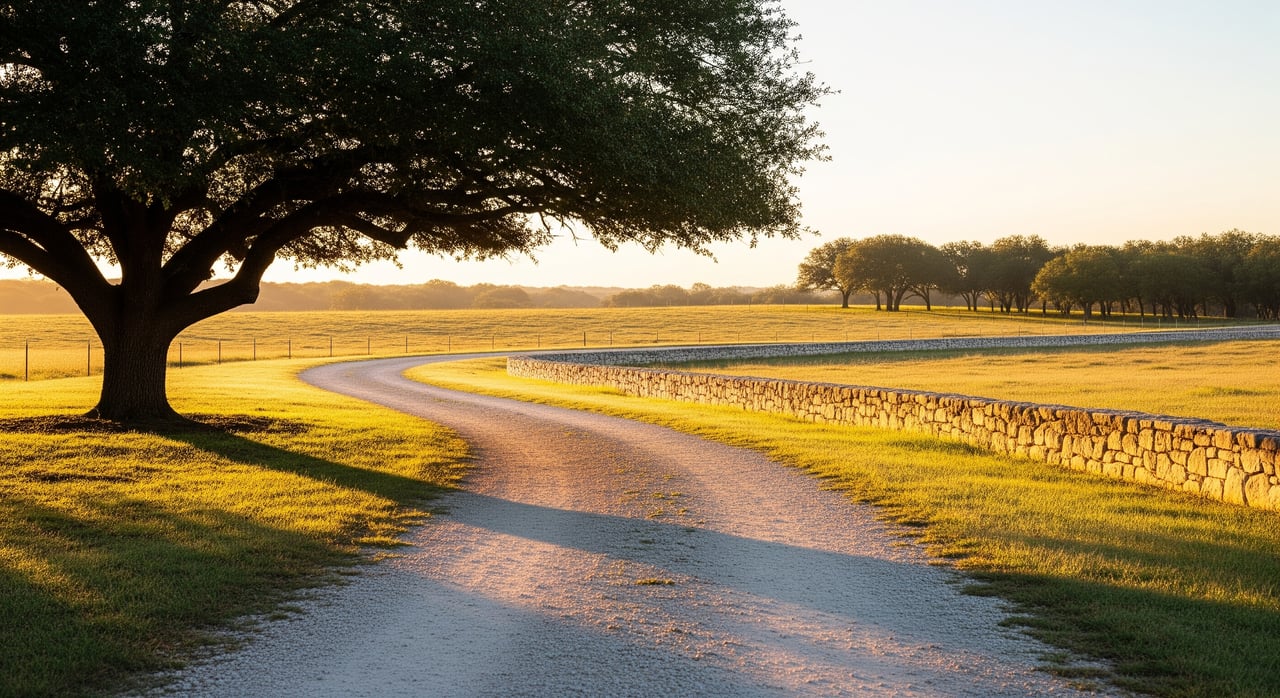
Owning a few acres on Oklahoma City’s edge is a gift. You want open pasture, shady trees, and trails that welcome an easy walk or a quick ride. The challenge is turning that vision into a simple plan that fits local conditions and your schedule. In this guide, you will learn a seasonal, Oklahoma‑ready approach to mowing, invasive control, and trail grooming for a 5‑acre parcel at Hollow Point Ranch. Let’s dive in.
Start with a simple site plan
Begin by clarifying what you want your land to do. Do you care most about pasture health, wildlife and pollinators, scenic views, safer access, or a balanced mix? Your objectives will guide mowing height, where you focus effort, and how often you revisit tasks.
Map the basics before you mow. Mark fences, shared boundaries, gates, access roads, water features, steep slopes, and wet spots. On many Oklahoma County parcels, soils range from loam to clay loam with variable drainage. Low areas and intermittent draws deserve buffers and minimal equipment traffic when soils are saturated.
Expect a warm‑season growth pattern. In the Oklahoma City area, most grasses and many weeds grow actively from late spring through early fall, then go dormant in winter. This timing drives when you mow, when you target invasive species, and when heavy trail work makes sense.
Mowing that protects pasture
Thoughtful mowing keeps grass stands healthy, limits woody seedlings, and preserves open views. It also reduces fine fuels in key areas. Your approach should shift with the season.
Growing season: May to September
Protect your grass by keeping adequate height. As a rule of thumb, leave at least 3 to 6 inches of stubble after mowing to support regrowth and root reserves. Avoid frequent, low cuts that stress warm‑season grasses.
Clip problem weeds before they set seed. Many annual weeds and invasive forbs can be suppressed by mowing ahead of flowering. Some species flush more than once, so plan to repeat where needed.
Use targeted low mowing for fuel breaks. Short, narrow strips near entrances, around structures, and along select perimeters can reduce fine fuels. This is a supplement to, not a replacement for, woody control.
Dormant season: October to March
Use winter to reset. Topping dormant grasses can tidy the landscape and reduce hiding cover for pests, as long as you avoid heavy equipment on saturated soils. Late winter or very early spring is also a good time to expose and treat woody seedlings before green‑up.
Structure your calendar for consistency. On a mixed‑use 5‑acre parcel, a practical pattern is monthly trail and entrance touch‑ups during the growing season, broader mowing 1 to 3 times per season, plus targeted passes to treat woody seedlings and weeds.
Equipment and scale
Match the tool to the task. Use a string trimmer or walk‑behind mower for trails and edges, and a flail mower or brush hog for pasture areas. Keep hand tools or a chainsaw for saplings. If terrain or vegetation is heavy, consider renting equipment or hiring a contractor for periodic brush hogging.
Tackle invasive and woody encroachment
Open pasture in Oklahoma County is often threatened by woody encroachment and aggressive weeds. A simple, integrated approach works best, starting with prevention and moving to targeted treatments.
Priority species in Oklahoma County
Watch for young Eastern redcedar, a key driver of grassland loss, higher wildfire risk, and lower forage productivity. Other common problems include sericea lespedeza, Johnson grass, and invasive shrubs like Chinese privet or Callery pear along edges. Thistles and similar weedy forbs can also colonize disturbed patches.
Practical control framework
Start with prevention and monitoring. Limit unnecessary soil disturbance, clean equipment to avoid transporting seeds, and map infestations by size and impact. Tackle the worst seed producers first.
Use mechanical control where feasible. Repeated mowing or cutting can reduce seed set and weaken many herbaceous weeds. Pull or grub small seedlings when soils allow. For woody plants, repeated cutting over several seasons can deplete roots, though follow‑up is usually required.
Apply herbicides carefully and lawfully if needed. Different species and growth stages require different products and timing. Selective herbicides can help protect desirable grasses. Follow label directions, state regulations, and consider licensed applicators, especially for larger patches or near water.
Consider prescribed fire with the right team and approvals. Fire is a core tool in prairie systems for limiting woody encroachment and supporting native grasses. On small parcels, collaborate with neighbors and experienced burn crews, and follow local notification and permitting requirements.
Restore and follow up after removal. Reestablish desirable grasses and forbs in treated areas so they resist reinvasion. Without follow‑up, cleared patches often revert to problem species.
Timing notes you can trust
Treat woody seedlings when they are small. Early spring is useful for spotting and removing saplings. Some basal or cut‑stump treatments are effective in late winter, but always match timing to the species and method, and consult local guidance or a licensed professional when in doubt.
Design and groom trails for year‑round use
Good trails make land feel larger and more welcoming. A few smart design choices reduce maintenance and keep your trails comfortable in every season.
Right‑size your trail
Match width to use. Footpaths work well at 2 to 3 feet of clear tread. Multi‑use corridors for horses or ATVs often need 6 to 10 feet. Keep footprints as narrow as practical to limit maintenance and preserve habitat.
Maintain sightlines and character. Prune lower limbs along the corridor while preserving larger trees for shade and structure. Use selective thinning to frame views toward ponds, mature trees, or skyline features.
Drainage and surfacing
Avoid steep, straight climbs. Align routes with gentle grades, add occasional switchbacks, and outslope the tread so water sheds off the trail. Install shallow water bars or use small stone at wet crossings to prevent ruts.
Choose simple surfacing. Most low‑use trails perform well on native soil with periodic rock reinforcement in damp spots. For higher traffic segments, consider compacted gravel near entrances or parking areas.
Seasonal grooming rhythm
Use spring to clean and inspect. Clear blowdowns, prune low limbs, and check drainage features at green‑up. In summer, mow or trim edges monthly to keep grasses from encroaching and clip unwanted seed heads along the corridor.
Stabilize before winter. In fall, address ruts or gullies and trim back late‑season growth. Winter is a good time for structural work like bridge or culvert repair when the ground is firmer, while avoiding travel on saturated soils.
Edge planting and views
Create a layered edge. Keep low‑maintenance native grasses near the trail, with selectively pruned native shrubs beyond. Consider small pollinator strips in placed pockets to boost scenic value and biodiversity, locating them so seeds do not spill into pasture or neighboring land.
Assess hazard trees. For larger removals, use professional arborists and follow safety standards.
Coordinate, stay safe, and follow rules
Clear communication saves time and reduces risk. Work with your ranch manager and neighbors to align on timing, responsibilities, and shared boundaries.
Work with your ranch manager
Document who maintains fence lines, gates, and shared woody control zones to reduce reinvasion from adjacent land. Share your seasonal plan and schedule for mowing, herbicide applications, or any burns so livestock moves and access are coordinated.
Permits and notifications
If you plan a prescribed burn, prepare a burn plan, choose appropriate weather windows, and notify county fire authorities and neighbors. For herbicides, use only labeled products, follow state regulations, and consider licensed applicators for large infestations or sensitive areas.
Safety and contractors
Follow professional standards for chainsaw use and heavy equipment. Hire qualified contractors for hazardous tree work, prescribed burns, or complex herbicide programs. Avoid herbicide drift near riparian areas, pollinator patches, and neighboring gardens or pastures.
Keep simple records
Maintain a log of treatments with dates, notes, and a few monitoring photos. Map treated areas and recheck annually for regrowth. Adjust your plan based on results.
A 12‑month action checklist
Early spring
- Inspect for woody seedlings and mark treatment zones.
- Repair erosion‑prone trail segments and check drainage features.
- Set mowing heights and schedule based on pasture goals.
Late spring to summer
- Mow trails and selected pasture areas before weeds set seed; repeat as needed.
- Spot‑treat invasives with mechanical or chemical methods aligned to species and timing.
- Maintain narrow fuel breaks near structures and entrances.
Early fall
- Reduce accumulated growth if desired for aesthetics and access.
- Treat woody seedlings revealed by late‑season mowing.
- Prep for dormant‑season work and contractor scheduling.
Winter
- Complete basal or cut‑stump treatments for woody plants where appropriate.
- Prune sightlines, address hazard trees, and tackle structural trail work.
- Avoid heavy equipment on saturated soils; keep access routes protected.
What success looks like on 5 acres
Your pasture holds its cover through summer because you kept a healthy stubble height. Trails stay open and dry because you shaped grades and trimmed edges in season. Invasive patches shrink because you acted before seed set and followed up after removal. Views feel intentional, fuel levels are lower in key areas, and the land reads as well cared for.
This is the standard you can reach with a simple, repeatable plan that fits Oklahoma County’s warm‑season rhythm and your goals for Hollow Point Ranch.
Ready to discuss how land care intersects with value and marketability for your Oklahoma City property? Request a private, white‑glove consultation with Unknown Company.
FAQs
How often should I mow a 5‑acre ranch in Oklahoma City?
- Plan monthly spot mowing for trails and entrances during the growing season, with 1 to 3 broader passes in summer, and targeted treatments for woody seedlings and weeds as needed.
What is the best time to remove Eastern redcedar on small acreage?
- Target small trees early, using mechanical removal in early spring or basal and cut‑stump methods in late winter where appropriate, with follow‑up to prevent reinvasion.
Can I use prescribed fire on a 5‑acre parcel in Oklahoma County?
- Yes, with careful planning, trained personnel, and local approvals and notifications; coordinate with neighbors and your ranch manager to ensure safety and logistics.
Which tools work best to maintain trails on a ranch property?
- Use a string trimmer or walk‑behind mower for edges, a brush hog or flail mower for wider corridors, hand tools for saplings, and hire pros for large tree removals.
How should I coordinate herbicide applications near shared pastures?
- Notify your ranch manager and neighbors in advance, use labeled products according to state regulations, and consider licensed applicators for larger or sensitive areas.