The Oklahoma Homes Built for Car Collectors and Art Collectors: What to Know Before You Buy
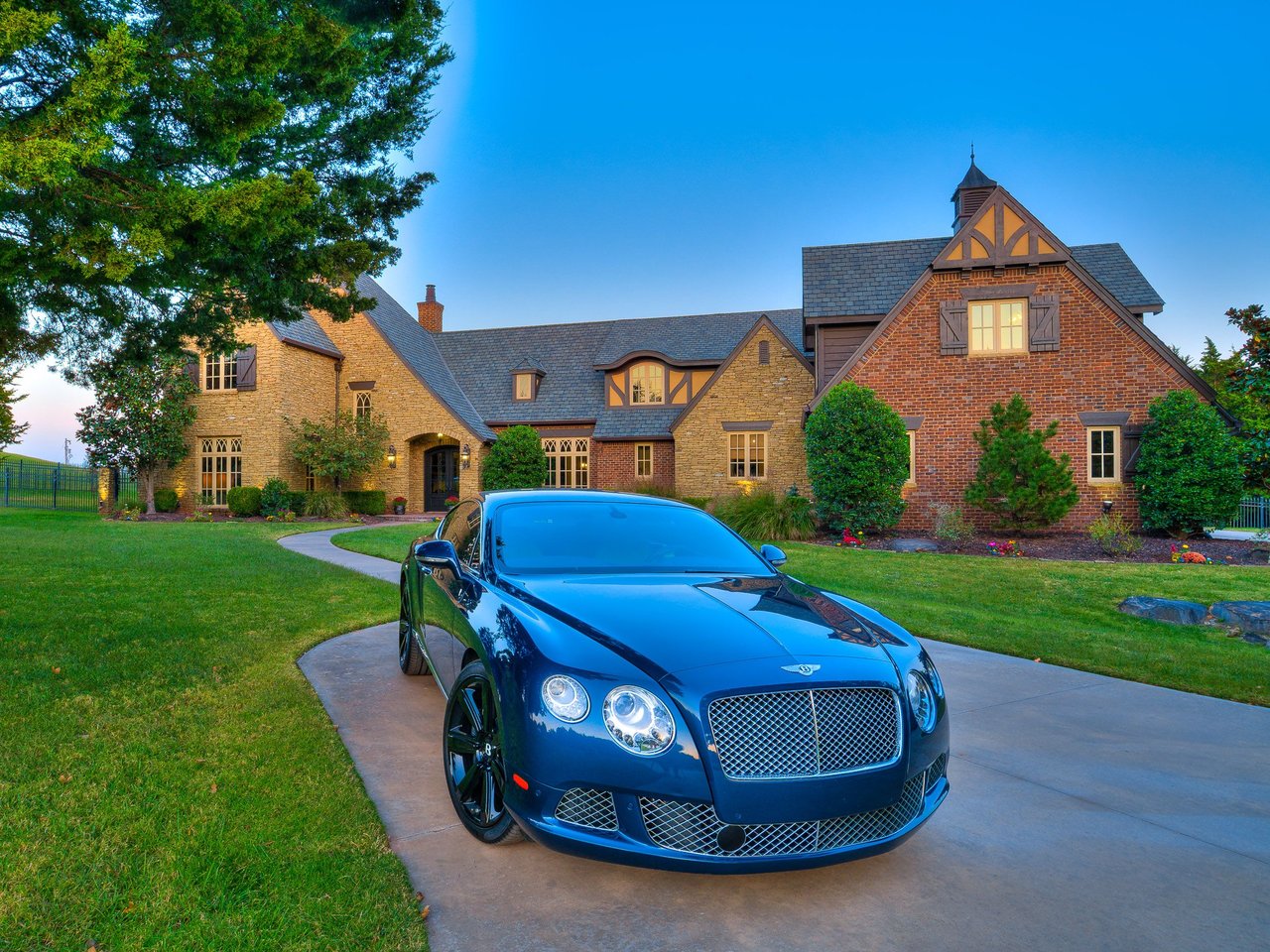
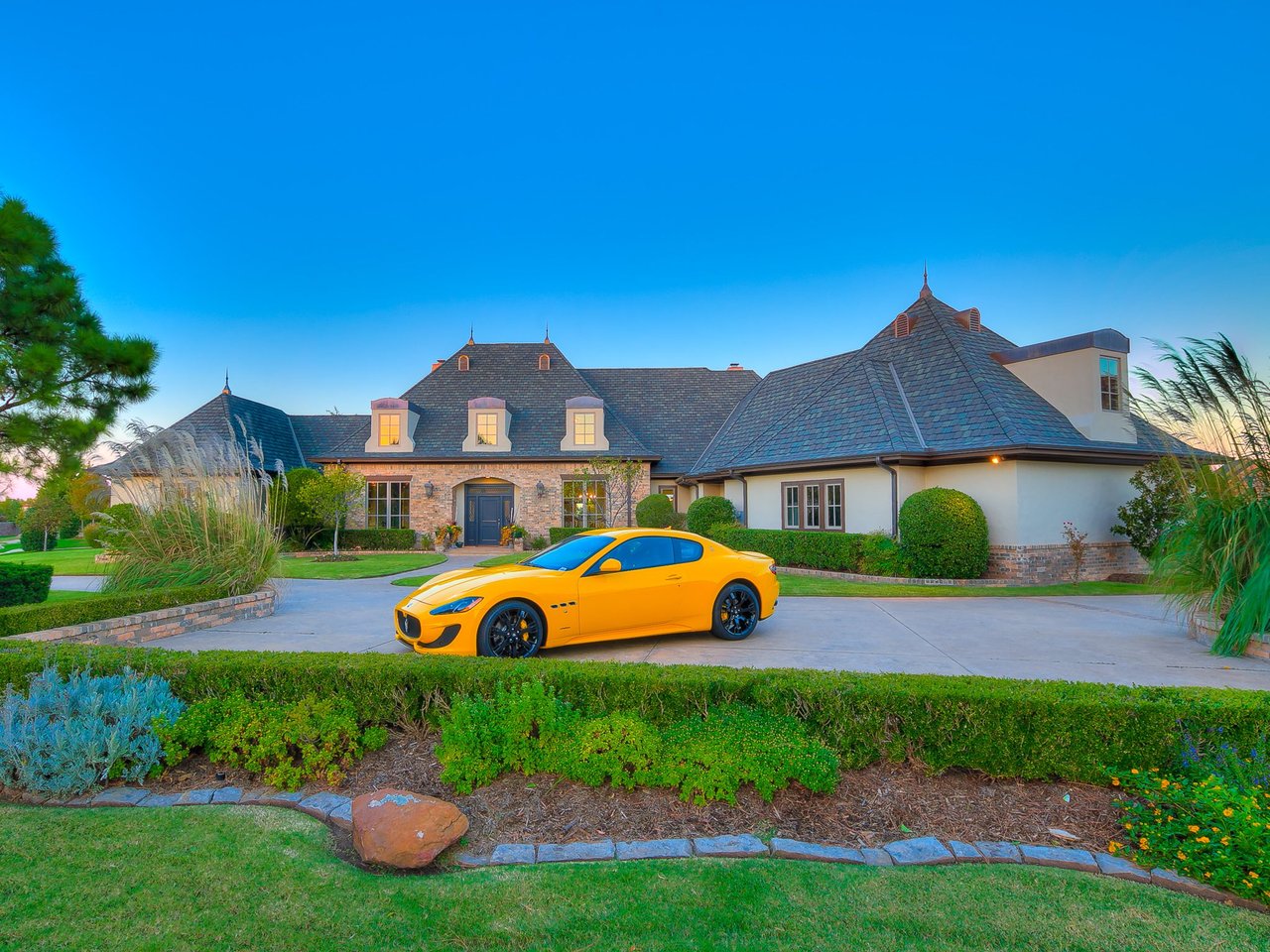
There is a particular kind of buyer that I have come to know very well over 31 years of selling luxury real estate in Oklahoma. They are not just buying a home. They are buying a sanctuary for the things they love most in the world, and those things happen to have engines, exhaust notes, and price tags that rival the homes themselves. I have had the privilege of helping many of these buyers find exactly what they were looking for across Oklahoma City, Edmond, and beyond, and I can tell you from experience that the conversation around a car collection or a significant art collection changes everything about how you approach a luxury home purchase.
I am a sponsor of Coffee and Cars Oklahoma, one of the finest automotive gatherings in the state, and a proud member of the Porsche Club of Oklahoma. These are not just hobbies for me. They are communities, and they have introduced me to some of the most passionate, knowledgeable, and discerning buyers I have ever worked with. When a serious car collector starts looking for a home in Oklahoma, the garage is not an afterthought. It is the centerpiece of the entire search, and the house is what surrounds it.
The Oklahoma Car Collector's Home: What You Actually Need
Let me start by saying something that will resonate immediately with anyone who has ever owned a serious collection. A standard three or four car garage attached to even a very expensive home is almost never sufficient. The homes that serious collectors are looking for in Oklahoma are built around a different set of priorities entirely, and knowing what those priorities are before you start your search saves enormous amounts of time and frustration.
Ceiling height is the first conversation. Most standard residential garages are built with eight to ten foot ceilings, which is perfectly adequate for everyday vehicles but completely impractical for a collection that includes lifted trucks, high roof vans used for transport, or a two post lift that allows you to work on vehicles properly. The homes I have shown to serious collectors in Oklahoma that make an immediate impression tend to have garage ceilings of fourteen feet or higher, and the ones with sixteen or eighteen foot ceilings create possibilities that most residential properties simply cannot offer. A four post lift, a two post lift, overhead storage, and the ability to actually move around the vehicles comfortably all depend on that vertical space.
Square footage within the garage envelope matters just as much as the number of bays. I have seen beautiful Oklahoma homes advertised with six car garages that a serious collector would find limiting within the first year of ownership because the bays were narrow, the turning radius was tight, and there was no room for a workbench, a tool chest, or a detail station. The homes that collectors fall in love with have garage footprints that feel generous even when full, typically starting around 1,500 square feet of dedicated garage space for a meaningful collection and going significantly higher from there.
Climate control is non-negotiable. Oklahoma summers are genuinely brutal, and what heat and humidity cycling does to paint, leather interiors, rubber seals, and mechanical components over time is something any serious collector understands viscerally. The homes in Oklahoma that are built for collections have fully climate controlled garage environments, not just a window unit pointed at the corner, but proper HVAC systems designed to maintain consistent temperature and humidity levels year-round. This is one of the single most important features to evaluate in any potential purchase, and it is one that is frequently overlooked in the excitement of counting bays and admiring floor coatings.
Speaking of floor coatings, the condition and quality of the garage floor tells you a great deal about how seriously the previous owner approached the space. A professionally applied epoxy or polyaspartic coating is a baseline expectation in a serious collector's garage. What you really want to see is a floor that has been properly prepared, properly sealed, and properly maintained, because a floor that has been done correctly will last decades and a floor that has been done cheaply will begin failing within a few years. I always recommend having a collector's garage floor evaluated as carefully as any other feature of the home during the inspection process.
Electrical infrastructure is another area where homes built for collectors differ dramatically from standard luxury homes. Serious automotive hobbies require serious power. Lift systems, air compressors, welding equipment, battery maintenance systems running across multiple vehicles simultaneously, EV charging stations that can handle multiple cars at meaningful amperage levels, all of these place demands on an electrical system that a standard residential panel was never designed to meet. The homes I have sold to collectors in Oklahoma that truly work for their lifestyle tend to have dedicated subpanels in the garage, 240 volt circuits in multiple locations, and in some cases commercial-grade electrical infrastructure that makes the garage as functional as any professional shop.
Drainage, lighting, and security round out the practical conversation. A floor drain or trench drain system in the garage is something collectors appreciate deeply, particularly anyone who does their own maintenance work or lives in Oklahoma long enough to have pulled a snow covered vehicle into a heated garage and watched the melt water have nowhere to go. Lighting in a collector's garage should be bright, even, and shadow-free, which means LED shop lighting installed thoughtfully across the entire ceiling rather than a few fixtures pointed at the center of the floor. And security systems in homes with significant collections typically need to go well beyond the standard residential alarm, incorporating dedicated monitoring, motion detection within the garage envelope itself, and in some cases independent camera systems with remote monitoring capability.
Beyond the Garage: The Showroom Experience
The most extraordinary collector homes I have encountered and sold in Oklahoma treat the garage not as a utilitarian space but as a showroom, a living room for the collection that is as thoughtfully designed and as beautifully appointed as anything inside the main house. Polished concrete floors. Custom cabinetry for tools and parts. Display shelving for helmets, memorabilia, and accessories. A dedicated seating area where you can pull up a stool, open something cold, and simply sit with the cars the way some people sit with great art. Glass walls or large viewing windows that allow the collection to be appreciated from inside the home. Finished and painted walls rather than bare drywall or exposed block. These are the details that separate a home built for a collector from a home with a large garage, and once you have experienced the former it becomes very difficult to settle for the latter.
I have sold homes in Oklahoma where the garage was genuinely more impressive than most houses. Heated and cooled, showroom finished, equipped with lifts and a full workshop, lit like a museum, and connected to the main residence through a passage that felt like walking from one world into another. Those homes find their buyers quickly, because the people who are looking for them know exactly what they want and recognize it the moment they see it.
What to Look for When Buying a Luxury Oklahoma Home for a Significant Art Collection
The collector conversation in Oklahoma luxury real estate does not begin and end with automobiles. I have worked with buyers who arrive with a different kind of collection, one that hangs on walls, fills pedestals, requires precise environmental conditions, and represents in some cases a financial and emotional investment that rivals or exceeds the value of the home itself. Buying a luxury home in Oklahoma with a significant art collection in mind requires a completely different set of questions and a completely different set of priorities, and having represented buyers in exactly this situation, I want to share what I have learned.
Wall space sounds obvious until you are standing in a beautifully designed contemporary home with twelve foot ceilings, floor to ceiling glass on three sides, and very little uninterrupted wall surface suitable for large format work. The homes that work for serious art collectors tend to have generous, unbroken wall planes in the primary living spaces, gallery walls that can accommodate significant pieces without competing with windows, doorways, or architectural interruptions, and ceiling heights that allow for large format or sculptural work without the piece overwhelming the room or being visually compressed by a ceiling that feels too close.
Lighting for art is an entirely separate discipline from lighting for living, and the homes in Oklahoma that are truly built for collections reflect that distinction. Natural light is the enemy of many works on paper, textile-based pieces, and pigment-sensitive paintings over time, which means that the beautiful south-facing wall of glass that looks magnificent in a listing photograph may be exactly the wrong location for a significant piece of work. The homes I recommend to serious collectors have lighting systems that can be precisely controlled, ideally with track systems or adjustable fixtures that allow each piece to be lit individually and correctly, combined with window treatments that can manage UV exposure without sacrificing the overall feel of the space.
Climate control for art has the same importance as climate control for vehicles, though the specific requirements differ. Dramatic temperature swings cause canvas to expand and contract, wood panels to crack, and adhesives to fail over time. Humidity fluctuations are equally damaging across a wide range of media. The luxury homes in Oklahoma that serve collectors well maintain consistent interior environments year-round, something that Oklahoma's climate makes more challenging than in more temperate parts of the country and therefore more important to evaluate carefully before purchase. I always recommend that buyers with significant collections have their HVAC systems evaluated specifically for their capacity to maintain stable conditions rather than simply comfortable ones.
Storage and handling space is a consideration that many buyers do not think about until they are living in a home and realize they have nowhere to properly store pieces that are not currently displayed, nowhere to uncrate a new acquisition safely, and no space to lay a large work flat for examination or rotation. The homes that work best for serious collectors have dedicated storage areas with the same climate control standards as the display spaces, sufficient ceiling height and floor space to handle large format works safely, and ideally a dedicated access point that allows for delivery and installation without pieces having to navigate through the primary living areas of the home.
Security for a significant art collection goes several layers deeper than a standard home alarm system. Fine art insurance carriers have specific requirements around security infrastructure, monitoring, and environmental protection that vary by collection value and by carrier, and buying a home with a significant collection in mind means evaluating the existing security infrastructure against those requirements or budgeting for upgrades. I have helped buyers navigate this conversation in Oklahoma and it is always one worth having early in the process rather than after the purchase is complete.
Why Oklahoma Is the Right Place for Both
I want to close with something I genuinely believe after three decades in this market. Oklahoma is one of the best places in the country to be a serious collector of either automobiles or fine art, and the value equation here compared to markets where collectors typically concentrate is almost impossible to argue with.
The garage that would cost you two million dollars to build in Bel Air or in a high end suburb of New York is achievable in Oklahoma City or Edmond at a fraction of that number, attached to a home that is larger, on more land, in a community where you actually know your neighbors and where the quality of life extends far beyond the collection itself. The art collector who would spend five million dollars in Palm Beach for a home with the right bones and the right environment can find something genuinely extraordinary in Oklahoma for a fraction of that investment.
I love this market. I love the people in it. I love that my car collector friends and my art collector friends and my clients who happen to be both have found in Oklahoma something they did not expect to find: a place where the things they love most in the world can live as well as they do.
If you are a collector looking for the right home in Oklahoma, or a seller with a home that was built for someone like that, I would genuinely love the conversation.
Wyatt Poindexter | Managing Partner | The Agency Oklahoma City & Tulsa | 405-417-5466 | www.OKLuxuryHomes.com | 31 years of selling Oklahoma's finest estates and homes | Elite Guild Member of The Institute of Luxury Home Marketing | One of the top 5 luxury realtors in all of Oklahoma for over 15 years | #1 Realtor in Oklahoma for Volume